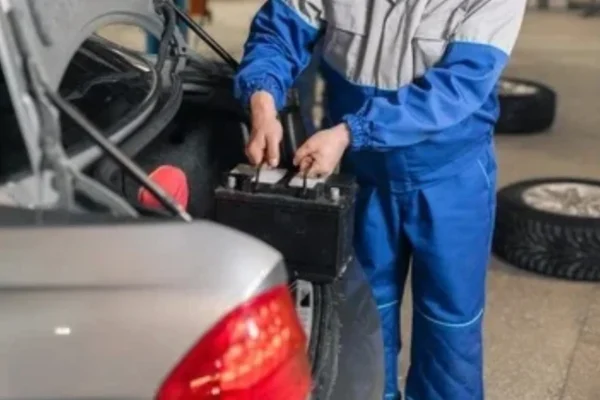
Electric vehicles (EVs) are becoming increasingly popular across the UK as drivers look for more efficient, quieter and lower-emission ways to travel. Although electric cars generally require less routine maintenance than petrol or diesel vehicles, they still need regular inspections, careful battery management and proper attention to safety systems.
Understanding electric vehicle maintenance helps drivers protect their vehicles, maintain performance and reduce the risk of unexpected repairs. From checking tyres and brakes to looking after the high-voltage battery and charging equipment, a few essential practices can make a significant difference to an EV’s reliability and lifespan.
Whether you own an electric car, manage a fleet or are considering a career in automotive repair, this guide explains the key maintenance tasks, common problems and safety precautions every EV owner should understand.
What Is Electric Vehicle Maintenance?
Electric vehicle maintenance involves inspecting, servicing and caring for the systems that allow an electric car to operate safely and efficiently. Unlike conventional vehicles, EVs use an electric motor and a rechargeable traction battery rather than an internal combustion engine.
This means they do not need engine oil changes, spark plug replacements or exhaust system servicing. However, EVs still contain components that wear out or require periodic checks.
Typical electric vehicle maintenance tasks include:
The exact maintenance requirements vary by make and model. Always consult the vehicle handbook and follow the service intervals recommended by the manufacturer.
Why Is Electric Vehicle Maintenance Important?
Although electric vehicles have fewer moving parts than conventional cars, they still need regular maintenance to remain safe and dependable.
Improves Road Safety
Tyres, brakes, suspension, lights and steering components all affect how safely an EV handles on the road. Regular inspections can help identify worn or damaged parts before they become serious problems.
Protects Battery Performance
The traction battery is one of the most valuable components of an electric car. Following the manufacturer’s charging and temperature-management recommendations can help preserve battery health over time.
Reduces Unexpected Repair Costs
Identifying minor faults early can prevent some problems from developing into more expensive repairs. Routine checks can also help drivers recognise when professional attention is needed.
Supports Efficient Driving
Incorrect tyre pressure, worn tyres and certain mechanical faults can increase energy consumption. Keeping the vehicle in good condition helps it use its available battery energy more efficiently.
Helps Maintain Vehicle Value
A well-maintained electric car with service records and evidence of appropriate care may be more attractive to future buyers. Battery condition, vehicle history and overall condition can all influence resale value.
Essential Electric Vehicle Maintenance Tasks
Check Tyres Regularly
Tyres are especially important on electric vehicles because EVs can be relatively heavy due to their battery packs and deliver immediate torque when accelerating. These characteristics can affect tyre wear.
Check tyre pressure at the intervals recommended by the manufacturer, using the pressure figures specified for your vehicle. Inspect the tread for uneven wear, cuts, bulges and embedded objects.
Remember to check the following:
UK drivers must comply with the legal tyre requirements. For cars, the minimum legal tread depth is generally 1.6 mm across the central three-quarters of the tread, around the entire circumference. However, replacing tyres before they reach the legal minimum may be advisable, particularly in wet conditions.
Monitor the High-Voltage Battery
The traction battery supplies electricity to the motor and is a central part of the vehicle’s performance. Most modern EVs use a battery management system to monitor factors such as temperature, voltage and charging behaviour.
Drivers should follow the manufacturer’s guidance on charging limits and battery care. Some vehicles allow owners to set a daily charging limit, while others recommend different settings depending on the battery chemistry and intended use.
Useful practices include:
There is no single charging percentage that is ideal for every electric vehicle. Recommendations differ between models and battery chemistries, so follow the guidance provided for your specific car.
Important: Never attempt to open, dismantle or repair a high-voltage battery yourself. These systems can retain dangerous electrical energy even when the vehicle is switched off.
Inspect Charging Cables and Connectors
Charging equipment should be kept in good condition to support safe and reliable charging. Before use, visually inspect the charging cable, connector and vehicle charging port for signs of damage.
Look for:
Do not use damaged charging equipment. Follow the manufacturer’s instructions and contact a qualified charging-equipment provider or electrician if a charging point appears unsafe.
Keep connectors clean and dry according to the manufacturer’s instructions. Do not use improvised adapters, damaged extension leads or equipment that is not approved for the intended charging arrangement.
Maintain the Braking System
Electric vehicles often use regenerative braking, which slows the vehicle by converting some kinetic energy into electricity. This can reduce reliance on conventional friction brakes during normal driving.
However, regenerative braking does not eliminate the need for brake maintenance. Brake discs and pads can still wear, and components may corrode, particularly if the friction brakes are used infrequently or the vehicle is regularly exposed to wet and salty road conditions.
Include these checks in routine maintenance:
Never ignore a brake warning or a sudden change in how the vehicle stops. Seek professional assistance promptly.
Check the 12-Volt Battery
Many electric vehicles have a conventional 12-volt battery that powers systems such as vehicle electronics, control modules, lighting and access functions. It is separate from the high-voltage traction battery.
A weak 12-volt battery can prevent an EV from starting its normal operating systems, even when the main battery has plenty of charge.
Warning signs may include difficulty unlocking the car, dashboard alerts, electronic faults or the vehicle failing to enter its ready-to-drive state.
Follow the manufacturer’s recommendations for testing and replacement. Do not assume that the 12-volt battery can be jump-started in the same way as a conventional car; use only the procedure specified in the vehicle handbook.
Keep the Cooling System in Good Condition
Many EVs use liquid cooling or other temperature-management systems to regulate the traction battery, electric motor and power electronics. Maintaining suitable temperatures helps these components operate within their designed limits.
Depending on the vehicle, maintenance may involve checking coolant condition, inspecting hoses and connections, or replacing coolant at specified intervals.
Drivers should never open a hot or pressurised coolant system. If the vehicle displays a temperature warning, reports a cooling-system fault or shows signs of a leak, follow the manufacturer’s instructions and arrange professional assessment.
Check Lights, Wipers and Windscreen Washers
Basic vehicle checks remain essential, regardless of the powertrain. Poor visibility and faulty lights can create risks for the driver and other road users.
Regularly inspect:
Replace worn wiper blades and use suitable screenwash, particularly during colder months when frost, road salt and dirt can affect visibility.
Maintain Suspension and Steering
EV batteries add weight, and suspension components must support the vehicle while maintaining stability and ride comfort. Over time, tyres, wheel bearings, suspension parts and steering components can wear.
Have the vehicle checked if you notice unusual knocks, excessive vibration, uneven tyre wear, steering changes or the car pulling to one side.
Potholes and kerb impacts can also affect wheel alignment. Addressing these issues promptly may help prevent further tyre wear and preserve handling.
How Often Should an Electric Car Be Serviced?
There is no universal service interval for every EV. Some manufacturers specify annual servicing, while others use mileage-based intervals or a combination of time and distance. Certain inspections and consumable replacements may be required more frequently.
A practical maintenance routine can help you stay organised.
|
Frequency |
Recommended checks |
|
Before longer journeys |
Check tyres, lights, windscreen visibility and battery charge |
|
Monthly |
Inspect tyre condition, check washer fluid and look for visible damage |
|
At manufacturer-specified intervals |
Arrange servicing, brake inspections and required fluid checks |
|
When a warning appears |
Follow the vehicle’s instructions and seek professional help when needed |
|
Before and during winter |
Check tyres, wipers, screenwash and the condition of charging equipment |
This is a general guide rather than a replacement for the vehicle’s service schedule. Always prioritise the manufacturer’s requirements.
Electric Vehicle Safety Tips Every Owner Should Know
EVs introduce some safety considerations that differ from those associated with petrol and diesel cars. Following appropriate precautions can help prevent damage, electrical hazards and avoidable breakdowns.
Never Attempt DIY High-Voltage Repairs
Electric vehicles contain high-voltage components that can cause fatal electric shocks. Some components may retain dangerous electrical energy even after the vehicle has been switched off.
The UK’s Health and Safety Executive provides detailed guidance on working safely with electric and hybrid vehicles.
For everyday owners, the key precautions are simple:
Professional EV technicians must use appropriate isolation procedures, equipment and vehicle-specific repair information before working on high-voltage systems.
Charge Your Vehicle Safely
Safe charging is an essential part of electric vehicle maintenance. Poor-quality equipment, damaged cables or unsuitable electrical installations can create avoidable hazards.
For home charging, use a suitable charge point installed by a competent, appropriately qualified professional. Inspect cables regularly and stop using any equipment showing signs of damage.
Electrical Safety First’s electric vehicle safety advice provides additional guidance on choosing charging equipment and reducing electrical risks.
You should also:
Never continue using a charging cable or connector that appears damaged.
Take Extra Care After an Accident
A collision can damage a battery pack, electrical wiring or other components even when the external damage appears minor.
If your EV has been involved in a significant collision, follow the vehicle manufacturer’s emergency guidance and arrange an appropriate professional inspection. Do not touch exposed wiring or attempt to assess internal battery damage yourself.
If you notice smoke, hissing, unusual heat or signs of a battery fire, move away from the vehicle, keep others at a safe distance and contact emergency services. Do not attempt to investigate or handle a potentially damaged high-voltage battery.
Keep Software and Vehicle Systems Updated
Some electric vehicles receive software updates that improve functionality, address faults or change how certain vehicle systems operate.
Check for updates through the manufacturer’s recommended process and pay attention to safety-related notices or recalls. Do not assume that every update can be installed safely while driving or charging; follow the instructions provided for your model.
If a warning remains after an update or the vehicle develops an unusual fault, arrange a diagnostic assessment rather than relying on software updates alone.
How to Maintain an Electric Car in Winter
Cold weather can affect battery efficiency, charging behaviour, tyre performance and the distance an EV can travel on a charge. Preparing your vehicle for winter can help you drive more confidently.
Plan for Reduced Driving Range
An EV may use more energy in cold weather because the battery operates less efficiently and the cabin requires heating. The actual effect depends on the vehicle, temperature, journey length and driving conditions.
To prepare for winter:
Preconditioning can warm the cabin and, on some vehicles, the battery while the car is connected to a charger. This may reduce the energy needed from the battery during the journey.
Check Tyres and Windscreen Equipment
Wet roads, ice and snow make tyre condition particularly important. Check tyre pressure, tread depth and visible damage, and consider whether the tyres are suitable for expected winter conditions.
Make sure your wipers and washers work properly, use appropriate screenwash and clear all windows before setting off. Keep lights clean and check that they function correctly.
Look After Charging Equipment in Cold Weather
Inspect cables and connectors for damage before use. Keep the charging connection clean and follow the manufacturer’s guidance on protecting equipment from snow, ice and moisture.
If a connector becomes frozen or a charging fault occurs, follow the equipment instructions rather than forcing the connector or using improvised methods to heat it.
Develop Your Electric Vehicle Knowledge
Build your understanding of electric vehicle technology, maintenance principles and automotive repair with the Electric Car Mechanic Course. Explore the knowledge needed to understand modern electric cars and take the next step in your automotive learning journey.
Common Electric Vehicle Problems and Their Warning Signs
Understanding common EV problems can help drivers recognise when professional attention is needed.
|
Problem |
Possible warning signs |
Recommended action |
|
Traction battery or charging fault |
Charging interruptions, battery warnings or unusual range changes |
Follow the vehicle guidance and arrange a specialist diagnosis |
|
Weak 12-volt battery |
Electronic warnings, unlocking problems or failure to enter drive-ready mode |
Arrange battery testing and follow the manufacturer’s procedure |
|
Tyre wear or incorrect pressure |
Reduced handling, uneven wear or pressure warnings |
Check pressures and condition; replace damaged tyres |
|
Brake system fault |
Warning lights, grinding noises or changes in braking |
Stop driving if braking may be unsafe and seek professional assistance |
|
Cooling system fault |
Temperature warnings, visible leaks or overheating messages |
Follow the vehicle’s safety instructions and arrange inspection |
|
Charging cable damage |
Cracks, exposed wiring, unusual heat or burn marks |
Stop using the equipment and arrange safe replacement or repair |
|
Software or electrical fault |
Persistent warning messages or malfunctioning systems |
Seek a diagnostic assessment from a suitably qualified technician |
These symptoms can have several causes, so the table should be used as a guide rather than a way to diagnose faults conclusively.
If a warning indicates an immediate safety risk, stop in a safe location when possible and follow the manufacturer’s emergency instructions. Do not continue driving a vehicle that may be unsafe.
Electric Vehicle Maintenance Compared with Petrol and Diesel Cars
Electric vehicles generally have fewer routine powertrain maintenance requirements because they do not have an internal combustion engine. However, many maintenance tasks remain common to all vehicle types.
|
Maintenance area |
Electric vehicles |
Petrol and diesel vehicles |
|
Engine oil and oil filter |
Not required for the electric motor |
Required according to the service schedule |
|
Spark plugs |
Not required |
Required for petrol engines |
|
Exhaust system |
No conventional exhaust system |
Requires inspection and maintenance |
|
Traction battery |
Requires appropriate care and specialist assessment when necessary |
Not applicable in the same form |
|
Tyres |
Require regular pressure, tread and condition checks |
Require regular pressure, tread and condition checks |
|
Brakes |
Require inspection despite regenerative braking |
Require regular inspection |
|
Cooling system |
May cool the battery, motor and power electronics |
Typically cools the engine and other relevant systems |
|
Software and electrical diagnostics |
Important for vehicle control and charging systems |
Also important, depending on the vehicle |
|
Windscreen, lights and suspension |
Require routine checks |
Require routine checks |
EVs can reduce the number of routine servicing tasks, but this does not mean they are maintenance-free. Battery systems, tyres, brakes, suspension and electrical equipment still require appropriate care.
For more detail, see the RAC’s electric car servicing guidance.
Can You Maintain an Electric Vehicle Yourself?
Vehicle owners can safely carry out several basic checks, provided they follow the handbook and do not interfere with high-voltage systems.
Suitable routine tasks may include:
Tasks involving high-voltage components, traction battery repairs, complex electrical diagnostics or specialist cooling systems should be handled by appropriately trained professionals.
Before attempting even a routine task, check the manufacturer’s instructions. Some vehicles have specific procedures for maintenance, lifting, wheel replacement and electrical isolation.
What Skills Do Electric Vehicle Mechanics Need?
As electric vehicles become more common on UK roads, automotive professionals need to understand both conventional vehicle maintenance and EV-specific systems.
An electric vehicle mechanic may need knowledge of:
EV maintenance is not simply conventional vehicle repair with a different power source. Technicians must understand the hazards associated with high-voltage systems and use suitable equipment and procedures.
The Health and Safety Executive’s guidance for electric and hybrid vehicles explains why specialist knowledge, suitable tools and safe working procedures are essential.
For people interested in entering this field, learning the fundamentals of electric vehicle technology can provide a useful starting point for further automotive training and practical experience.
Frequently Asked Questions
How often should an electric vehicle be serviced?
The recommended service interval depends on the vehicle’s make, model and manufacturer’s guidance. Some EVs require annual servicing, while others follow mileage-based or condition-based schedules. Check your handbook and arrange inspections when recommended.
What maintenance does an electric car need?
An electric car needs regular tyre checks, brake inspections, battery and charging-system monitoring, windscreen maintenance, light checks and attention to suspension and steering. Some models also require scheduled coolant, cabin filter or other component maintenance.
Do electric cars need oil changes?
Fully electric cars do not require engine oil changes because they do not have an internal combustion engine. However, they may use specified lubricants and fluids in other components, and some require scheduled coolant or brake fluid maintenance.
How can I extend the life of an electric car battery?
Follow the manufacturer’s recommendations for charging limits, storage and temperature management. Avoid routinely leaving the battery at extreme charge levels if your vehicle’s guidance advises against it, and use the recommended charging settings for your model.
Is it safe to repair an electric vehicle at home?
Basic tasks such as checking tyre pressure, cleaning lights and topping up washer fluid may be suitable for owners when performed according to the handbook. High-voltage battery work, exposed electrical components and complex EV repairs should be left to appropriately trained professionals because of the risk of electric shock and other serious hazards.
Develop Your Electric Vehicle Knowledge
Build your understanding of electric vehicle technology, maintenance principles and automotive repair with the Electric Car Mechanic Course. Explore the knowledge needed to understand modern electric cars and take the next step in your automotive learning journey.
Final Thoughts
Electric vehicle maintenance is essential for safe driving, dependable performance and long-term vehicle care. Although EVs generally need fewer routine powertrain servicing tasks than petrol or diesel cars, tyres, brakes, batteries, charging equipment, cooling systems and electrical components still require attention.
Regular inspections, safe charging habits and adherence to the manufacturer’s service schedule can help drivers identify problems early and avoid unnecessary risks. It is equally important to recognise the limits of DIY maintenance and leave high-voltage repairs to appropriately trained professionals.
Whether you already own an electric car or want to develop your automotive knowledge, understanding these maintenance principles is a valuable step towards safer, more informed EV ownership.