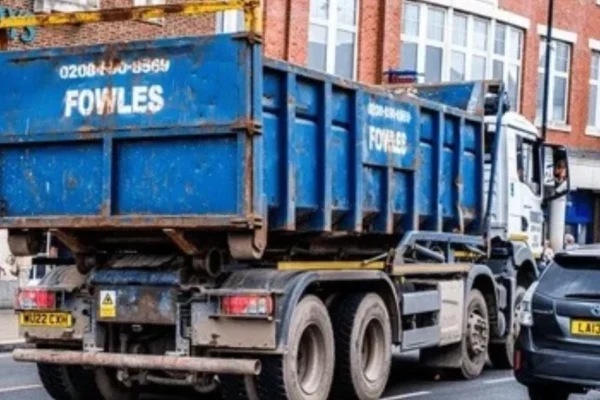
Understanding the duties of a transport manager is important for anyone considering a career in transport, logistics or fleet operations. A transport manager is responsible for helping an organisation move people or goods safely, efficiently and in compliance with relevant requirements. Their work can involve vehicle operations, drivers, scheduling, maintenance, compliance, costs and day-to-day transport planning.
Transport managers can work across logistics companies, haulage businesses, passenger transport operators, distribution organisations, retail businesses and other industries that operate vehicle fleets. The exact responsibilities vary according to the organisation, fleet size and type of transport involved.
This guide explains the key duties of a transport manager, what the role involves, the skills required, compliance responsibilities and how to develop a career in transport management.
What Does a Transport Manager Do?
So, what does a transport manager do on a typical working day? Their main responsibility is to coordinate and oversee transport operations while helping ensure that vehicles, drivers and journeys are managed safely, efficiently and legally.
Typical responsibilities can include:
The role can be both operational and administrative, requiring transport managers to make decisions quickly while maintaining accurate records.
Key Duties of a Transport Manager
The specific duties of a transport manager depend on the organisation, but several responsibilities are common across the industry.
Managing Daily Transport Operations
A transport manager helps coordinate the day-to-day movement of vehicles and drivers.
This can include deciding which vehicles and drivers are assigned to particular journeys, monitoring schedules and responding to unexpected operational problems.
A transport manager may need to deal with:
Effective planning can help reduce disruption and keep transport operations running smoothly.
Managing Drivers
Drivers are central to transport operations, making driver management an important part of the role.
Transport managers may be responsible for:
A transport manager must also understand the rules that apply to drivers and ensure the organisation has suitable procedures for monitoring compliance.
Vehicle Fleet Management
Transport managers may oversee a fleet ranging from a small number of vehicles to hundreds or more.
Fleet responsibilities can include:
Well-managed fleet operations can help reduce unnecessary downtime and support reliable transport services.
Vehicle Maintenance and Safety
Keeping vehicles properly maintained is an important operational responsibility.
Transport managers may coordinate preventative maintenance and ensure that vehicles receive appropriate inspections and repairs.
They may monitor:
For UK operators subject to specific operator-licensing requirements, vehicle safety and maintenance arrangements form an important part of compliance management.
Transport Compliance
Compliance is one of the most significant areas of responsibility for many transport managers.
Depending on the type of operation, this can involve requirements relating to:
For operators carrying goods or passengers for hire or reward, the applicable rules depend on the type of operation and vehicles being used.
A transport manager needs to understand the requirements relevant to their specific operation rather than applying a single set of rules to every transport business.
Operator Licensing Responsibilities
In Great Britain, certain goods vehicle operators need an operator licence. The Traffic Commissioner system provides different operator-licence categories and requirements depending on the operation.
A professionally competent transport manager can have an important role in helping an operator meet its licence undertakings.
The role should not be treated simply as an administrative title. Where a transport manager is formally nominated on an operator licence, they can have specific responsibilities connected with the operator’s compliance and management of the transport operation.
Transport managers should therefore understand current guidance from the relevant UK authorities and keep their knowledge up to date.
Planning Routes and Schedules
Transport managers need to plan journeys efficiently while taking operational requirements into account.
Route planning may involve considering:
Good planning can help reduce unnecessary mileage, improve vehicle utilisation and support on-time deliveries.
Managing Transport Costs
Transport operations can involve substantial costs, including:
A transport manager may monitor these costs and identify opportunities to improve operational efficiency.
For example, reducing unnecessary empty journeys can help lower fuel consumption and increase vehicle utilisation.
Fuel Management
Fuel is often a significant operating expense for vehicle fleets.
Transport managers may monitor:
They can use this information to identify potential inefficiencies and encourage more economical driving practices.
Monitoring Driver Hours
Driver hours and rest requirements are an important consideration for many professional transport operations.
The rules that apply depend on the type of vehicle, journey and transport operation. For example, specific rules can apply to drivers of goods vehicles and passenger-carrying vehicles.
Transport managers may therefore need to:
Accurate monitoring helps transport businesses manage fatigue-related risks and comply with applicable requirements.
Health and Safety Responsibilities
Transport managers can contribute significantly to workplace and road safety.
Their responsibilities may include establishing or supporting procedures relating to:
The precise health and safety responsibilities depend on the organisation and the manager’s position within it.
Managing Deliveries and Collections
In logistics and haulage operations, transport managers often oversee delivery and collection activities.
They may coordinate:
Strong coordination is essential when multiple vehicles are operating across different locations.
Handling Transport Problems
Transport operations rarely go exactly according to plan.
A vehicle may break down, a driver may be unavailable or a delivery may be delayed by traffic.
Transport managers need to respond to these problems quickly while considering cost, safety, customer expectations and compliance.
Possible responses may include:
Problem-solving is therefore a major part of the role.
Keeping Transport Records
Accurate records help transport organisations demonstrate compliance and manage operations effectively.
Depending on the business, records may include:
Transport managers need to ensure that records are accurate, accessible and maintained in accordance with applicable requirements.
Managing Transport Staff
Larger transport departments may employ a range of staff, including:
A transport manager may supervise some or all of these employees depending on the organisation.
Management responsibilities can include setting expectations, allocating work, monitoring performance and supporting staff development.
Working With Customers
Transport managers may also communicate directly with customers, particularly when transport issues affect service delivery.
They may discuss:
Strong customer communication can help maintain professional relationships when operational difficulties occur.
Working With Suppliers and Contractors
Transport departments often rely on external suppliers and service providers.
A transport manager may work with:
Managing these relationships can help maintain reliable transport operations.
Transport Technology and Fleet Management Systems
Technology has become increasingly important in modern transport management.
Transport managers may use systems for:
Telematics can provide information about vehicle location, mileage, fuel consumption and driving behaviour, depending on the system used.
Using data effectively can help transport managers make more informed operational decisions.
What Skills Does a Transport Manager Need?
A successful transport manager needs a combination of operational, management and analytical skills.
Organisation
Transport managers often coordinate multiple vehicles, drivers and schedules simultaneously. Strong organisational skills are therefore essential.
Communication
They communicate with drivers, customers, suppliers, managers and other departments.
Problem-Solving
Unexpected problems are common in transport operations, requiring managers to make practical decisions quickly.
Leadership
Transport managers may supervise teams and need to establish clear expectations and professional standards.
Time Management
Transport operations often work to strict schedules, making effective time management important.
Analytical Skills
Managers may analyse fuel consumption, delivery performance, vehicle utilisation and operating costs.
Regulatory Awareness
Understanding the rules relevant to the transport operation is essential, particularly where operator licensing and driver or vehicle requirements apply.
Start Building Your Transport Management Skills
Build your understanding of transport operations, fleet management, compliance, planning and essential management practices with the Transport Manager Course Online. Develop practical knowledge that can support your professional development in the transport and logistics sector.
What Qualifications Do You Need to Become a Transport Manager?
The qualifications required can depend on the type of transport operation and the position.
For certain regulated goods vehicle operations in Great Britain, a professionally competent transport manager may need to hold the relevant professional competence qualification, commonly demonstrated through the Certificate of Professional Competence (CPC) route.
However, not every transport management role has exactly the same requirements.
People interested in entering the field can also develop knowledge through courses covering:
Relevant practical experience can also be valuable.
How to Become a Transport Manager
A practical pathway into transport management may look like this:
Build transport knowledge → Gain relevant training → Develop operational experience → Learn compliance requirements → Develop leadership skills → Progress into transport management
You could begin in an entry-level transport or logistics position and gradually take on greater responsibility.
Relevant roles may include:
Experience in these positions can provide insight into the daily operation of a transport business.
Where Do Transport Managers Work?
Transport managers can work across many industries.
Potential workplaces include:
The nature of the work can differ substantially depending on whether the organisation transports goods, passengers or specialist cargo.
Career Progression for Transport Managers
Transport management can provide several potential career-development routes.
With experience, a transport professional may progress into roles such as:
Some professionals may also specialise in fleet management, compliance, logistics planning or supply chain operations.
Why Are Transport Managers Important?
Transport managers help connect people, vehicles, customers and business operations.
Effective transport management can contribute to:
Because transport directly affects many businesses, skilled management can have a significant impact on overall operational performance.
Frequently Asked Questions
What does a transport manager do?
A transport manager oversees transport operations, including vehicles, drivers, scheduling, maintenance, compliance, and operational performance. Their exact responsibilities depend on the type and size of the transport business.
What are the main duties of a transport manager?
The main duties of a transport manager can include managing drivers, coordinating vehicle maintenance, planning routes, monitoring costs, maintaining records, supporting compliance and resolving operational problems.
Do transport managers need a CPC?
For certain regulated goods vehicle operations in Great Britain, a transport manager may need to demonstrate professional competence, commonly through the Certificate of Professional Competence (CPC). Requirements depend on the type of operator licence and transport operation.
What skills does a transport manager need?
Transport managers typically need strong organisational, communication, leadership, problem-solving and analytical skills. Knowledge of transport regulations, vehicle operations and fleet management is also important.
How can I become a transport manager?
You can start by developing knowledge of transport and logistics, gaining relevant qualifications and building practical operational experience. For regulated roles, you should also understand the professional competence and operator-licensing requirements that apply to the specific operation.
Start Building Your Transport Management Skills
Build your understanding of transport operations, fleet management, compliance, planning and essential management practices with the Transport Manager Course Online. Develop practical knowledge that can support your professional development in the transport and logistics sector.
Final Thoughts
Understanding the duties of a transport manager means looking beyond simply organising vehicles and deliveries. Transport managers can be responsible for drivers, fleet maintenance, scheduling, compliance, costs, records, safety and the smooth operation of transport services.
The role requires a combination of practical transport knowledge, management ability, communication, organisation and regulatory awareness. For people interested in logistics and vehicle operations, developing these skills can provide a foundation for progressing into transport management and related careers.