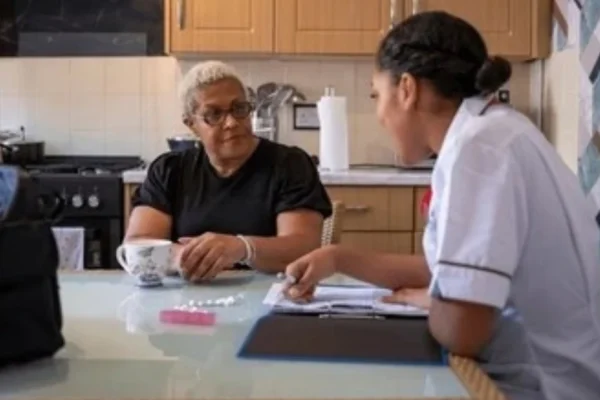
Disability assessment plays an important role in helping people access financial support and services when a health condition or disability affects their daily lives. In the UK, disability assessors evaluate how an individual’s physical or mental health conditions affect their ability to carry out everyday activities and, depending on the assessment type, their ability to work or undertake work-related activities.
A disability assessor reviews medical information, conducts assessments, asks relevant questions and prepares reports to help decision-makers understand an individual’s functional abilities and support needs. The role requires healthcare knowledge, strong communication skills, attention to detail and an understanding of how different conditions affect people’s lives.
If you are interested in healthcare, clinical assessment or a career that combines medical knowledge with report writing, becoming a disability assessor may be worth exploring.
This guide explains the disability assessor job description, including typical duties, essential skills, qualifications, working environments, salary considerations and career progression in the UK.
What Is a Disability Assessor?
A disability assessor is a healthcare professional who evaluates how a person’s health condition or disability affects their everyday activities, independence or ability to work.
Disability assessors may work on assessments connected with government benefits, including Personal Independence Payment (PIP) and Work Capability Assessments (WCA).
The purpose of these assessments is to gather relevant information about a person’s functional abilities and how their condition affects them in practical situations.
Depending on the assessment service, a disability assessor may:
Disability assessors do not necessarily make the final decision about whether someone qualifies for a benefit. Their role is generally to gather and evaluate information and provide an assessment report for the relevant decision-maker.
What Does a Disability Assessor Do?
The responsibilities of a disability assessor depend on the assessment programme and employer. However, the role generally involves reviewing information, understanding a person’s functional difficulties and documenting findings accurately.
Reviewing Medical Records and Supporting Evidence
One of the first responsibilities is reviewing the information available about an individual’s health condition and circumstances.
This may include medical reports, treatment information, medication details, specialist letters and other supporting documents.
The assessor needs to understand the person’s medical history and identify information that may be relevant to the assessment.
Typical tasks include:
A diagnosis alone does not always explain how a person manages everyday activities. Assessors must consider the practical effects of the condition rather than relying only on medical labels.
Conducting Disability Assessments
Disability assessors may conduct assessments through face-to-face appointments, telephone consultations or video appointments, depending on the programme and individual circumstances.
During an assessment, they gather information about the person’s health, daily routine and functional difficulties.
Questions may explore areas such as:
The assessor must communicate respectfully and give the individual an opportunity to explain how their condition affects them.
Assessing Functional Abilities
A central part of the role is understanding what a person can and cannot do in everyday situations.
For example, someone may be physically capable of walking a short distance but experience significant pain or fatigue afterwards. Another person may be able to complete a task but require prompting, supervision or assistance.
Assessors must consider relevant factors such as:
The exact criteria depend on the assessment being carried out. For example, PIP assessments and Work Capability Assessments use different rules and functional criteria.
Preparing Assessment Reports
After reviewing the evidence and completing the assessment, the disability assessor prepares a report that explains the relevant findings.
Reports should be clear, factual, consistent and supported by the information gathered.
Responsibilities may include:
Accurate report writing is essential because the information may contribute to decisions about financial support or work-related requirements.
Maintaining Confidentiality and Professional Standards
Disability assessors handle sensitive personal and medical information. They must follow confidentiality requirements, data protection principles and their employer’s professional procedures.
They should treat every individual with dignity and respect, avoid discriminatory assumptions and maintain appropriate professional boundaries.
Where the assessor is a registered healthcare professional, they must also follow the standards and professional requirements applicable to their registration.
What Qualifications Do You Need to Become a Disability Assessor?
In the UK, disability assessor roles connected with government benefit assessments generally require applicants to be registered healthcare professionals with relevant clinical experience. The precise eligibility criteria depend on the assessment service and employer.
For example, the Department for Work and Pensions (DWP) identifies the following professional backgrounds for health and disability benefit assessor roles:
The DWP’s recruitment research also identifies a requirement for around one to two years of UK experience, depending on the job specification.
You can read the official DWP research on disability assessor recruitment and retention.
Relevant Healthcare Qualifications
The professional qualification you need depends on your original healthcare career. Common routes include:
For regulated healthcare professions, applicants must maintain the relevant registration and meet the employer’s eligibility requirements.
Disability Assessor Training
Once recruited, healthcare professionals generally complete specialist training before undertaking assessments independently.
Training may cover:
The DWP’s PIP assessment guidance for health professionals explains the knowledge, skills and training expected of professionals undertaking these assessments.
Important: A short course or general Disability Assessor Training programme does not, by itself, qualify someone to work as a DWP-approved disability assessor. Employers normally require an eligible healthcare qualification, professional registration and relevant clinical experience.
What Skills Does a Disability Assessor Need?
A successful disability assessor needs more than medical knowledge. The role combines clinical understanding, structured questioning, analytical thinking and detailed report writing.
Communication and Active Listening
Assessors need to communicate with people who may be experiencing pain, anxiety, fatigue, mental health difficulties or other challenging circumstances.
Good communication involves asking clear questions, listening carefully and allowing individuals enough time to explain their experiences.
It is also important to adapt communication to individual needs, including making reasonable adjustments where appropriate.
Empathy and Professional Sensitivity
Disability assessments can involve sensitive discussions about personal care, mobility, mental health, employment and daily challenges.
An assessor should demonstrate empathy without allowing personal assumptions to influence professional judgement.
People should be treated with dignity, patience and respect throughout the assessment process.
Analytical and Critical Thinking
Assessors must interpret information from different sources and consider how a person’s condition affects their functional abilities.
This requires the ability to distinguish between a medical diagnosis and its practical consequences.
For example, two people with the same health condition may experience very different levels of difficulty with everyday activities.
Report Writing Skills
Preparing accurate reports is a major responsibility.
Assessors must communicate relevant findings clearly, explain their reasoning and ensure that recommendations are supported by the available evidence.
Strong written communication and attention to detail are therefore essential.
Time Management and Organisation
Assessment roles often involve managing appointments, reviewing documents, completing reports and meeting service deadlines.
Good organisational skills help assessors manage their workload without compromising the quality or accuracy of their work.
Digital and IT Skills
Disability assessors use computer systems to access medical evidence, record information, complete assessments and prepare reports.
Confidence with digital platforms, document management and accurate data entry is important.
Resilience and Objectivity
The role can involve emotionally demanding conversations and repetitive administrative tasks.
Assessors need to remain professional, objective and focused, even when discussing difficult personal circumstances.
What Is the Difference Between a Disability Assessor and a Healthcare Professional?
A disability assessor is usually an experienced healthcare professional who has moved into a specialist assessment role.
However, the responsibilities are different from those involved in traditional clinical practice.
|
Area |
Healthcare Professional |
Disability Assessor |
|
Main focus |
Patient care, treatment and clinical management |
Evaluating the functional effects of health conditions or disabilities |
|
Diagnosis |
May diagnose within professional scope |
Does not normally diagnose conditions as part of the benefit assessment |
|
Treatment |
May provide treatment and ongoing care |
Does not provide therapeutic treatment through the assessment role |
|
Evidence |
Uses clinical information to guide care |
Reviews medical evidence and functional information |
|
Reporting |
Completes clinical records and reports |
Produces structured assessment reports for decision-makers |
|
Decision-making |
Makes clinical decisions within professional responsibilities |
Provides assessment advice; the relevant benefit decision-maker makes the entitlement decision |
A disability assessor uses their clinical knowledge to understand a person’s condition, but the purpose is to evaluate functional impact against the relevant assessment criteria rather than plan treatment.
What Is the Difference Between a PIP Assessor and a Work Capability Assessor?
Disability assessors may work on different government assessment programmes. Two important examples are Personal Independence Payment and Work Capability Assessment.
Although both involve evaluating how health conditions affect individuals, they have different purposes and assessment criteria.
Personal Independence Payment Assessor
A PIP assessor evaluates how a person’s long-term health condition or disability affects their daily living activities and mobility.
The assessment considers areas such as:
PIP assessments consider the functional effects of a person’s condition over the relevant assessment period.
The assessor reviews the available evidence and provides a report to support the DWP’s decision.
For further information, read the official PIP assessment process guidance.
Work Capability Assessor
A Work Capability Assessment is used in connection with Employment and Support Allowance and relevant Universal Credit processes.
It considers how a person’s physical or mental health condition affects their ability to work or undertake work-related activity under the applicable rules.
Assessors consider relevant functional activities and medical evidence to help determine whether the individual has limited capability for work or limited capability for work-related activity.
The assessment report supports the decision-making process; the assessor does not make the final benefit entitlement decision.
You can read the GOV.UK Work Capability Assessment handbook for more information.
|
Feature |
PIP Assessment |
Work Capability Assessment |
|
Main purpose |
Evaluates daily living and mobility needs |
Evaluates capability for work and work-related activity |
|
Focus |
How disability affects everyday activities |
How health conditions affect specified work-related functions |
|
Assessment framework |
PIP activities and descriptors |
Work Capability Assessment descriptors and rules |
|
Outcome |
Provides evidence for a PIP entitlement decision |
Provides evidence for an ESA or relevant Universal Credit decision |
Where Does a Disability Assessor Work?
Disability assessors may work for organisations contracted to deliver assessments on behalf of the Department for Work and Pensions.
Depending on the employer and assessment service, working arrangements may include office-based, home-based, hybrid or assessment-centre work.
Healthcare Assessment Providers
Some disability assessors work for specialist organisations that deliver PIP and Work Capability Assessments under government contracts.
Their responsibilities may include reviewing case files, conducting consultations and preparing reports.
Assessment Centres
Some assessments take place at dedicated assessment centres where individuals attend scheduled appointments.
Assessors may conduct interviews, gather relevant information and complete appropriate functional assessments.
Remote and Home-Based Working
Telephone and video assessments are used where appropriate to the individual’s circumstances and the requirements of the assessment programme.
Some roles also involve reviewing documents and preparing reports remotely.
The available working arrangements depend on the employer, service requirements and individual job specification.
How to Become a Disability Assessor in the UK
If you already work in an eligible healthcare profession and are considering a move into disability assessment, the following steps provide a practical starting point.
Gain a Relevant Healthcare Qualification
Start by completing a recognised qualification in an eligible healthcare profession, such as nursing, physiotherapy, occupational therapy or medicine.
For certain PIP assessment roles, paramedics may also be eligible.
Obtain Professional Registration
Where your profession is regulated, maintain the appropriate registration with the relevant professional regulator.
For example, nurses and midwives register with the Nursing and Midwifery Council, while physiotherapists and occupational therapists register with the Health and Care Professions Council.
Develop Clinical Experience
Build relevant clinical experience and develop an understanding of different physical and mental health conditions.
Experience across a broad range of conditions and patient needs can be particularly useful because disability assessors work with individuals who have varied and sometimes complex circumstances.
Check the experience requirements in each vacancy, as these may differ between employers and assessment services.
Research Disability Assessor Vacancies
Search for roles advertised under titles such as:
Review the job description carefully to check professional eligibility, registration requirements, experience, training and working arrangements.
Complete Specialist Training
If appointed, complete the employer’s training programme and required assessments.
This may include theoretical learning, simulated consultations, practical exercises, report-writing assessments and supervised work.
You must demonstrate the required competence before undertaking the relevant assessment responsibilities independently.
Maintain Professional Development
Continue developing your clinical knowledge, assessment skills and understanding of relevant guidance.
Keep your professional registration up to date and complete any continuing professional development required by your regulator and employer.
How Much Does a Disability Assessor Earn in the UK?
Disability assessor salaries vary according to the employer, assessment programme, professional background, experience and level of responsibility.
Some employers advertise salaries in the £40,000–£50,000 range, although this is not a guaranteed industry-wide salary. Current vacancies may offer different packages depending on location and working arrangements.
For example, Civil Service Jobs vacancies can help you compare current Functional Assessor opportunities and advertised salaries.
When evaluating a role, consider more than the basic salary:
If you are moving from clinical practice, compare the overall employment package with your current role before making a decision.
What Is the Career Progression for a Disability Assessor?
Disability assessment can offer opportunities for healthcare professionals who want to develop specialist assessment and reporting skills.
With experience, further training and suitable opportunities, possible progression routes include:
|
Career stage |
Typical responsibilities |
|
Disability Assessor |
Reviewing evidence, conducting assessments and preparing reports |
|
Senior Disability Assessor |
Supporting assessment quality and helping less experienced colleagues |
|
Clinical Mentor or Trainer |
Supporting new assessors through training and competency development |
|
Quality Assurance Assessor |
Reviewing reports and monitoring assessment standards |
|
Clinical Team Leader |
Supporting staff, managing workloads and monitoring performance |
|
Clinical Manager |
Overseeing assessment teams, service delivery and quality standards |
Some professionals may also move into clinical governance, training, auditing or other healthcare assessment roles.
Career progression depends on the employer’s structure, professional background and available vacancies.
What Are the Benefits of Working as a Disability Assessor?
For healthcare professionals considering a change from traditional clinical practice, disability assessment offers several potential advantages.
Use existing clinical knowledge: You can apply your understanding of physical and mental health conditions in a different professional setting.
Develop specialist assessment skills: The role provides experience in functional assessment, evidence evaluation and structured reporting.
Potentially more predictable working hours: Some employers offer weekday schedules that differ from shift-based clinical roles, although this is not guaranteed.
Remote and hybrid opportunities: Depending on the employer and assessment service, some duties may be completed from home.
Contribute to support decisions: Your work can help decision-makers understand how health conditions affect people’s daily lives and functional abilities.
What Are the Challenges of Being a Disability Assessor?
Although disability assessment can be a rewarding career move, it is important to understand the demands of the role.
Emotionally Demanding Conversations
Assessors may regularly speak with people experiencing significant health difficulties, financial pressures and challenges with daily living.
These conversations can be emotionally demanding, requiring patience, empathy and professional resilience.
Detailed Report Writing
The role involves considerable documentation. Reports must accurately reflect the available evidence and explain the assessment findings.
Professionals who prefer practical, hands-on clinical work may find the administrative and reporting responsibilities a significant change.
Repetitive Assessment Processes
Assessors often follow structured procedures and apply defined criteria across different cases.
Although the conditions and circumstances vary, the overall assessment and reporting process can be repetitive.
Maintaining Objectivity
Assessors must evaluate each case fairly and consistently, using the relevant criteria and available evidence.
They must avoid assumptions based on a diagnosis, personal opinion or an individual’s appearance.
Managing Workloads and Deadlines
Assessment providers may have appointment targets, reporting requirements and quality standards.
Good organisation and time management are essential to maintaining accurate work while meeting service expectations.
Is Disability Assessor a Good Career Choice?
Disability assessment may be a suitable career option for experienced healthcare professionals who want to move into a more structured assessment and report-writing role.
It can appeal to nurses, doctors, physiotherapists, occupational therapists and eligible paramedics who enjoy analysing information, communicating with people and understanding how health conditions affect everyday activities.
However, it may not suit everyone. Professionals who prefer continuous patient care, treatment planning or hands-on clinical work may find the assessment-focused nature of the role less appealing.
Before applying, review the responsibilities, eligibility criteria, training requirements and working arrangements carefully.
Frequently Asked Questions
What does a disability assessor do in the UK?
A disability assessor reviews medical evidence, conducts assessments and evaluates how a person’s health condition affects their everyday activities or ability to work. They prepare reports using the relevant assessment criteria and provide information to support benefit decisions. The final decision about entitlement is made by the appropriate government decision-maker.
What qualifications do you need to become a disability assessor?
Many government benefit assessment roles require applicants to be registered healthcare professionals, such as nurses, doctors, physiotherapists or occupational therapists. Certain PIP assessment roles may also accept paramedics. Specific experience and registration requirements depend on the employer and assessment programme.
Can you become a disability assessor without being a nurse?
Yes, nursing is not the only professional route into disability assessment. Depending on the role, doctors, physiotherapists, occupational therapists and, for certain PIP roles, paramedics may also be eligible. Applicants must meet the relevant professional registration and experience requirements.
How much does a disability assessor earn in the UK?
Disability assessor salaries depend on the employer, location, experience and assessment responsibilities. Some vacancies advertise salaries in the £40,000–£50,000 range, but this is not a guaranteed standard. Check current employer vacancies for accurate salary information and benefits.
Is disability assessor training enough to become a disability assessor?
A disability assessor training course can help develop knowledge of assessment principles, functional limitations and reporting responsibilities. However, completing a training course alone does not normally meet the eligibility requirements for DWP-contracted assessment roles. Relevant healthcare qualifications, professional registration and clinical experience are generally required.
Final Thoughts
A disability assessor plays an important role in evaluating how physical and mental health conditions affect people’s daily lives, mobility and, where relevant, ability to work. The position requires clinical knowledge, empathy, analytical thinking, accurate report writing and the ability to apply assessment criteria consistently.
For experienced healthcare professionals, disability assessment can offer an opportunity to use existing clinical skills in a different working environment. However, the role also involves detailed documentation, structured assessments and emotionally demanding conversations.
If you are considering this career, begin by checking the relevant professional qualifications and registration requirements. Developing your assessment knowledge and understanding of disability-related functional limitations can help you prepare for this specialist area of healthcare.