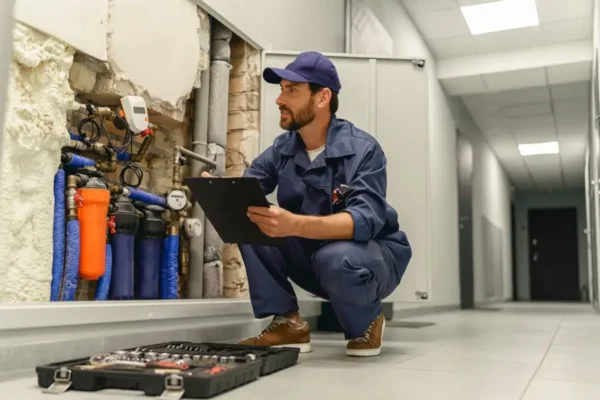
If you are considering a career in the electrical industry, learning how to become an electrician is an important first step. Electricians install, maintain, inspect and repair electrical systems in homes, businesses, construction sites and other environments. It is a practical profession that requires technical knowledge, hands-on competence, attention to detail and a strong commitment to safety.
There is more than one route into the electrical trade. You can enter through an apprenticeship, college-based study, workplace training or other recognised routes, depending on your circumstances and previous experience. However, completing a course alone does not automatically make someone a fully qualified electrician; practical workplace experience and assessment are important parts of developing occupational competence.
This guide explains the main routes, qualifications, skills, experience, certifications and career opportunities to consider if you want to become an electrician in the UK.
What Does an Electrician Do?
Electricians work with electrical systems and equipment, carrying out installation, maintenance, inspection, testing and fault-finding.
Typical responsibilities can include:
Electricians can work across domestic, commercial, industrial and construction environments.
The work can also involve newer technologies, including renewable energy systems and electric vehicle charging infrastructure.
How to Become an Electrician in the UK
There is no single route that applies to every aspiring electrician. The National Careers Service identifies several routes, including college courses, apprenticeships, work-based accreditation and direct application where someone already has relevant experience or qualifications.
For someone starting from scratch, a typical pathway looks like this:
Learn the fundamentals → gain an appropriate Level 3 pathway → develop practical workplace experience → complete the required assessments → build occupational competence → obtain relevant industry recognition or registration where appropriate.
The exact route depends on whether you want to work in domestic installations, commercial work, industrial environments or another electrical specialism.
Start With the Right Electrical Training
A strong foundation in electrical principles is essential.
Depending on your route, relevant study may include electrical installation, electrical engineering or building services engineering. The National Careers Service specifically identifies electrical installation courses and the T Level in Building Services Engineering for Construction among possible starting points.
A good training programme should help you understand areas such as:
However, theoretical learning should be combined with practical development. The National Careers Service notes that even with a qualification, practical workplace experience and further on-the-job training are needed to become fully qualified.
Consider a Level 3 Electrical Apprenticeship
An apprenticeship is one of the established routes into the profession.
In England, there are Level 3 pathways including:
The government apprenticeship service describes the Level 3 domestic route as focused on installing systems and fixing faults in homes, while the installation and maintenance route covers homes, businesses and construction sites.
An apprenticeship combines employment with structured training and study. Apprentices are employees who receive a wage and holiday pay while developing job-specific skills.
The electrician apprenticeship route is typically around four years, although exact arrangements can vary.
Do You Need an Apprenticeship to Become an Electrician?
Not necessarily.
An apprenticeship is an important route, but it is not the only possible way to enter the trade. The National Careers Service also identifies college courses, work accreditation schemes and direct applications for people with relevant experience.
However, practical competence remains crucial.
Someone who completes classroom-based electrical training without developing appropriate practical skills should not assume they are ready to undertake electrical work independently.
This distinction is particularly important when choosing an online or classroom course. Check exactly what the course provides, what qualification or certificate it leads to and whether additional practical assessment or workplace experience is required.
Build Practical Electrical Experience
Electrical work is highly practical. Knowing the theory is important, but electricians also need to demonstrate that they can apply their knowledge safely.
Practical experience can help you develop skills in:
An experienced electrician or employer can also help you understand how electrical work is performed in real working environments.
Learn Electrical Safety
Safety should be at the centre of your training.
Electrical work can involve serious hazards, including electric shock, burns, fires and other injuries. You therefore need to understand safe working procedures before carrying out practical electrical tasks.
Important areas include:
Never use a qualification as a substitute for actual competence. Electrical work should only be undertaken when you have the appropriate knowledge, skills, experience and supervision for the task.
Understand BS 7671 and Electrical Requirements
Anyone planning a career in electrical installation should become familiar with the requirements and standards relevant to their work.
BS 7671, commonly referred to as the IET Wiring Regulations, is a central technical reference for electrical installation work in the UK.
The requirements applicable to a particular job can depend on the type and location of the installation. Your training should therefore teach you how to identify the standards, regulations and guidance relevant to the work being undertaken.
Because electrical requirements can change, electricians also need to keep their knowledge current throughout their careers.
What Is an ECS Card?
The Electrotechnical Certification Scheme, commonly known as ECS, provides cards that can demonstrate an individual’s qualifications, training and experience within the electrotechnical industry.
The National Careers Service notes that you may need an ECS card to demonstrate the qualifications and experience required to carry out electrical work.
The specific card and requirements depend on your role, qualifications and experience, so it is important to check the current requirements for the type of work you intend to undertake.
An ECS card should not be confused with simply completing an introductory electrical course.
Do Electricians Need a Licence in the UK?
There is not one universal electrician licence that every electrician in the UK must hold before carrying out every type of electrical work.
However, the requirements surrounding particular work can be complex.
For example, competent person schemes allow registered tradespeople to self-certify certain types of building work instead of going through the building control approval process. Membership is voluntary, but registration involves demonstrating the required level of competence and meeting the scheme’s requirements.
For domestic electrical work covered by relevant building regulations, registered electrical competent person schemes can allow eligible installers to self-certify certain work.
This means aspiring electricians should understand the difference between:
These are related but not interchangeable concepts.
Competent Person Schemes for Electricians
A competent person scheme can allow registered businesses or individuals to self-certify certain building work.
Government guidance explains that installers must demonstrate the relevant technical competence before joining a scheme, with ongoing requirements and inspections applying after registration.
For electrical work, the government provides an Electrical Competent Person Register that consumers can use to find registered electricians.
If you plan to work independently, investigate the current requirements of the scheme relevant to the type of electrical work you want to undertake.
Can You Become an Electrician as an Adult?
Yes.
You do not have to start your electrical career immediately after leaving school.
Apprenticeships are available to adults as well as younger applicants, and the National Careers Service states that electrician apprenticeships are open to all ages.
Adult learners may also choose college courses, specialist training or other work-based routes depending on their previous experience.
If you already have relevant electrical experience, there may be routes for having your existing skills assessed. The National Careers Service notes that experienced workers may be able to use an Experienced Worker Assessment, with different routes depending on the amount and type of experience held.
Build Your Electrical Skills With Structured Training
Develop your understanding of electrical systems, installation principles, safety practices and essential technical knowledge with the Electrician Diploma Course Level 3. Use it as part of your broader pathway toward practical electrical competence and career development.
Do You Need GCSEs to Become an Electrician?
Entry requirements depend on the training route.
For an advanced apprenticeship, the National Careers Service states that applicants will usually need five GCSEs at grades 9 to 4, or equivalent, including English and maths.
However, requirements can differ between providers and routes.
Even where specific qualifications are not required, good numeracy, literacy and technical understanding can be extremely useful in electrical work.
Electricians regularly work with measurements, calculations, technical information, plans and documentation.
Skills You Need to Become an Electrician
Technical knowledge is only one part of becoming a successful electrician.
Important skills include:
Practical Ability
Electrical installation involves working with tools, cables, equipment and components. Good hand skills and coordination are valuable.
Attention to Detail
Small errors can create significant safety problems. Electricians need to work carefully and methodically.
Problem-Solving
Fault-finding requires you to identify symptoms, understand circuits and systematically investigate possible causes.
Mathematical Skills
Electricians use mathematics for measurements, calculations and understanding electrical principles.
Communication
You may need to explain problems, work with other trades and communicate with customers.
Safety Awareness
Safe working practices must remain a priority throughout an electrical career.
The National Careers Service also identifies skills including problem-solving, mathematical knowledge, practical ability, attention to detail, initiative and customer service as relevant to the role.
How Long Does It Take to Become an Electrician?
There is no single timeframe for everyone.
A Level 3 electrician apprenticeship in England is typically around four years.
Other routes can vary depending on:
Be cautious about courses promising that you can become a fully qualified electrician in a very short period without substantial practical experience.
Electrical competence is developed through a combination of knowledge, practical skills, supervised experience and appropriate assessment.
Electrician Career Specialisms
Once you have developed your core electrical skills, there are numerous directions you can explore.
Potential areas include:
Some specialisms require additional training, assessment or technical competence.
The electrical industry continues to evolve, particularly as technologies such as renewable energy and electric vehicle charging become increasingly important areas of work.
Working for an Employer vs Becoming Self-Employed
Many electricians begin their careers working for an electrical contractor or another employer.
Employment can provide opportunities to:
With experience, some electricians choose to become self-employed or establish their own electrical business. The National Careers Service identifies self-employment and progression into areas such as supervision, estimating, contract management and project design among possible career paths.
If you plan to work independently, you will also need to consider business administration, insurance, pricing, customer management, record keeping and any relevant registration requirements.
How to Choose an Electrician Course
Not all electrical courses serve the same purpose.
Before enrolling, check:
A course can provide valuable theoretical knowledge without automatically providing all the practical experience needed for occupational competence.
Choose training based on your intended career route rather than simply selecting the course with the shortest completion time.
How to Become an Electrician: A Practical Roadmap
If you are starting from the beginning, the following roadmap can help you organise your career development:
Step 1: Research the electrical trade and decide which area interests you.
Step 2: Build your foundational knowledge through an appropriate electrical course or college programme.
Step 3: Explore a Level 3 apprenticeship or another recognised work-based route.
Step 4: Develop practical skills under appropriate supervision.
Step 5: Build experience in installation, maintenance, testing and fault-finding.
Step 6: Complete the relevant assessments and qualifications for your chosen pathway.
Step 7: Investigate ECS requirements and relevant industry recognition.
Step 8: If you plan to work independently, research competent person schemes and business requirements applicable to your intended work.
Step 9: Keep your technical knowledge and regulatory awareness up to date.
Step 10: Consider specialising or progressing into supervision, estimating, project management or your own electrical business.
Is an Electrician a Good Career Choice?
Electrical work can offer a range of career pathways across domestic, commercial, industrial and construction environments.
The profession can also provide opportunities to specialise in emerging areas such as renewable energy and electric vehicle charging.
However, it is a skilled trade that requires ongoing learning and careful attention to safety. Your suitability will depend on your interests, practical abilities, preferred working environment and willingness to develop both technical and workplace skills.
Frequently Asked Questions About Becoming an Electrician
How do I become an electrician in the UK?
Common routes include apprenticeships, college-based electrical training, work-based accreditation and other recognised pathways. Most routes require a combination of technical knowledge, practical experience and assessment rather than classroom learning alone.
Can I become an electrician without an apprenticeship?
Yes. Apprenticeships are an established route, but the National Careers Service also identifies college courses, work accreditation schemes and direct entry for people with relevant experience or qualifications. The appropriate route depends on your circumstances and the type of electrical work you want to undertake.
How long does it take to become an electrician?
The timeframe varies depending on the route, previous experience and training requirements. A Level 3 electrician apprenticeship in England is typically around four years, while other pathways can have different timelines.
Do electricians need an ECS card?
An ECS card can demonstrate relevant qualifications, training and experience, and the National Careers Service notes that electricians may need one for electrical work. The specific requirements depend on the individual’s role and circumstances.
Can an electrician become self-employed?
Yes. With appropriate skills, experience and business preparation, electricians can become self-employed or establish their own businesses. Depending on the work undertaken, they may also need to meet relevant registration, certification, insurance and building-regulation requirements.
Build Your Electrical Skills With Structured Training
Develop your understanding of electrical systems, installation principles, safety practices and essential technical knowledge with the Electrician Diploma Course Level 3. Use it as part of your broader pathway toward practical electrical competence and career development.
Final Thoughts
Learning how to become an electrician involves much more than completing a short course. A successful pathway combines electrical theory, practical experience, safe working practices, appropriate assessment and continued professional development.
For beginners, a structured Level 3 electrical course can provide useful foundational knowledge, while apprenticeships and supervised workplace experience can help develop the practical competence required for real electrical work.
As you progress, you can explore areas such as domestic installation, commercial work, maintenance, renewable energy, EV charging, testing and inspection, supervision or self-employment.
The most important principle is to build your career around genuine competence and safe working practices. Electrical work carries significant risks, so appropriate training, practical experience and compliance with the requirements relevant to your work should always come before working independently.