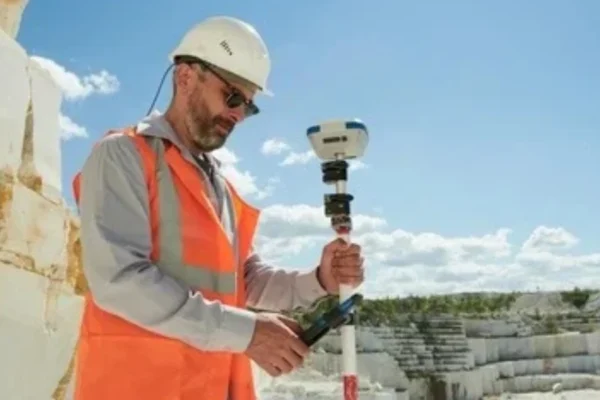
Construction sites are among the most hazardous working environments because employees regularly work with heavy machinery, power tools, scaffolding, electrical equipment and potentially dangerous materials. Without appropriate safety procedures, even routine construction activities can result in serious injuries, health problems or fatalities. This is why construction site safety is an essential part of every construction project.
Construction site safety refers to the policies, procedures and protective measures used to prevent accidents, control workplace hazards and protect everyone working on or visiting a construction site. It involves identifying risks, providing appropriate personal protective equipment (PPE), maintaining safe working conditions and ensuring workers understand their responsibilities.
Whether you are a construction worker, site supervisor, contractor or project manager, understanding construction safety requirements is essential for maintaining a safe and productive working environment. This guide explores the importance of construction site safety, essential workplace rules, common hazards, legal responsibilities and practical measures workers should follow.
What Is Construction Site Safety?
Construction site safety involves implementing rules, procedures and control measures to protect workers, contractors, visitors and members of the public from hazards associated with construction activities.
Construction projects involve numerous tasks, including excavation, demolition, lifting operations, electrical installation, working at height and operating heavy equipment. Each activity presents different risks that must be identified and managed.
Effective construction site safety focuses on several important areas:
Safety management should be considered throughout the construction project, from initial planning and site preparation to final completion.
Why Is Construction Site Safety Important?
Construction site safety is important because it helps prevent workplace accidents, protects employees and supports the successful delivery of construction projects.
Poor safety practices can result in serious injuries, financial losses, project delays and legal consequences. Establishing clear safety procedures helps organisations manage these risks.
Prevents Workplace Accidents and Injuries
Construction workers may encounter hazards such as falling objects, unstable structures, moving vehicles, electrical equipment and unprotected edges.
Appropriate safety measures help reduce exposure to these hazards and prevent incidents that could cause injuries or fatalities.
Protects Workers’ Health and Wellbeing
Construction work can involve exposure to dust, noise, chemicals, vibration and physically demanding activities.
Long-term exposure to certain workplace hazards can contribute to occupational illnesses, hearing damage, respiratory problems and musculoskeletal disorders.
Safety procedures help reduce these risks and support healthier working conditions.
Improves Productivity
Accidents can interrupt construction activities, damage equipment and delay project completion.
A well-managed site allows workers to perform their duties more efficiently because equipment, work areas and safety arrangements are properly organised.
Reduces Financial Losses
Workplace incidents can result in medical expenses, compensation claims, equipment damage, insurance costs and project delays.
Preventing accidents helps organisations reduce avoidable expenses and manage construction budgets more effectively.
Supports Legal Compliance
Construction employers and contractors must follow applicable health and safety legislation.
In the UK, the Health and Safety at Work etc. Act 1974 and the Construction (Design and Management) Regulations 2015 establish important responsibilities for protecting workers and managing construction risks.
Following relevant requirements helps organisations avoid enforcement action and maintain appropriate safety standards.
15 Essential Construction Site Safety Rules for Workers
Every construction worker has a responsibility to follow workplace safety procedures and avoid activities that could put themselves or others at risk.
The following construction site safety rules provide a practical foundation for maintaining safer working conditions.
Wear Appropriate Personal Protective Equipment (PPE)
Personal protective equipment helps protect workers from specific workplace hazards.
Construction sites should provide suitable PPE based on the risks associated with different activities.
Common examples include:
Workers should inspect their PPE before use and report damaged or unsuitable equipment.
Follow Site Safety Signs and Instructions
Construction sites use safety signs to communicate hazards, restrictions and mandatory precautions.
Workers should understand and follow signs displayed around the site.
Common construction safety signs include:
Ignoring safety signs can expose workers and others to unnecessary risks.
Keep Work Areas Clean and Organised
Poor housekeeping is a common cause of construction site accidents.
Loose materials, scattered tools, cables and construction waste can create trip hazards and obstruct emergency access routes.
Workers should:
Maintaining an organised work environment helps reduce accidents and makes construction activities more efficient.
Use Tools and Machinery Correctly
Construction tools and machinery can cause serious injuries when used incorrectly.
Workers should receive appropriate training and understand the operating instructions before using equipment.
Important precautions include checking machinery before use, using suitable protective guards, following manufacturer instructions and reporting defective equipment.
Only authorised and competent individuals should operate specialised construction machinery.
Follow Working at Height Safety Procedures
Working at height is one of the most significant hazards in the construction industry.
Falls from ladders, scaffolding, roofs and elevated platforms can result in serious injuries or fatalities.
Workers should:
In the UK, the Work at Height Regulations 2005 establish requirements for organising and carrying out work at height safely.
Follow Electrical Safety Precautions
Electrical hazards are common on construction sites because workers frequently use temporary electrical supplies, power tools, cables and electrical installations.
Contact with live electrical equipment can cause electric shocks, burns and fatal injuries.
Essential precautions include:
Workers should never attempt electrical repairs unless they have the necessary competence and authorisation.
Be Careful Around Moving Vehicles and Heavy Machinery
Construction sites often contain excavators, cranes, dump trucks, forklifts and other moving equipment.
Workers must remain alert when working near vehicle routes and machinery operating areas.
Important precautions include using designated pedestrian walkways, following traffic management arrangements, maintaining safe distances and making sure operators can see pedestrians.
Reversing vehicles should be managed using suitable controls, such as trained banksmen where necessary.
Follow Excavation and Trenching Safety Procedures
Excavation work can expose workers to collapsing soil, falling materials, underground services and hazardous atmospheres.
Before excavation begins, appropriate planning and risk assessment should be completed.
Safety measures may include:
Workers should never enter an excavation that has not been made safe.
Understand Fire Safety Procedures
Fire hazards can arise from hot work, electrical faults, flammable materials, fuel storage and certain construction activities.
Workers should know the location of fire extinguishers, emergency exits and assembly points.
Important fire safety practices include:
Workers should only attempt to extinguish a fire when it is safe and they have received appropriate training.
Handle Construction Materials Safely
Construction workers regularly handle materials such as cement, timber, bricks, metal components and glass.
Incorrect handling can cause cuts, crush injuries, back problems and other musculoskeletal disorders.
Workers should use appropriate lifting techniques, mechanical handling equipment and team lifting arrangements where necessary.
Heavy or awkward materials should not be lifted manually without assessing the risks.
Follow Safe Lifting and Manual Handling Practices
Manual handling injuries are common in physically demanding construction environments.
Workers may experience back injuries, muscle strains and joint problems when lifting or carrying heavy materials incorrectly.
To reduce these risks:
Employers should also consider whether manual handling tasks can be avoided or redesigned.
Report Hazards and Unsafe Conditions
Workers should report hazards, defective equipment and unsafe working practices as soon as they become aware of them.
Examples include damaged scaffolding, exposed electrical cables, unstable materials, blocked walkways and missing protective barriers.
Early reporting allows supervisors and safety representatives to investigate problems and introduce appropriate control measures.
Workers should also report accidents and near misses, even when nobody has been injured.
Attend Safety Training and Toolbox Talks
Safety training helps workers understand workplace hazards and the precautions required to perform their duties safely.
Construction sites commonly use toolbox talks to communicate safety information before work begins.
Topics may include working at height, manual handling, fire prevention, excavation safety and machinery operation.
Workers should participate in relevant training sessions and ask questions whenever safety instructions are unclear.
Avoid Alcohol and Drugs at Work
Alcohol and drugs can affect concentration, coordination, judgement and reaction time.
Construction activities often require workers to operate machinery, handle equipment and work around potentially dangerous conditions.
Workers should never perform safety-critical duties while impaired by alcohol, drugs or other substances that affect their ability to work safely.
Know Emergency Procedures
Every construction worker should understand what to do when an emergency occurs.
Emergencies may include fires, serious injuries, structural failures, chemical spills or dangerous equipment incidents.
Workers should know:
Regular emergency drills help workers understand their responsibilities and respond more effectively.
Strengthen Your Construction Management and Safety Knowledge
Develop the knowledge and practical understanding needed to manage construction activities, supervise site operations and promote safer working environments. The Construction Site Management, Supervision and Safety Diploma covers important areas of construction management, workplace safety, risk control and effective site supervision.
Common Hazards Found on Construction Sites
Construction sites contain various hazards that can affect workers’ safety and health. Identifying these hazards is an essential part of effective risk management.
The following table highlights some common construction hazards and their potential consequences.
|
Construction Hazard |
Potential Risk |
Recommended Control |
|
Working at height |
Falls and serious injuries |
Guardrails, suitable platforms and fall protection |
|
Moving machinery |
Crushing and impact injuries |
Traffic management and exclusion zones |
|
Electrical equipment |
Electric shocks and burns |
Inspection, isolation and competent workers |
|
Falling objects |
Head and body injuries |
Secure materials and use suitable PPE |
|
Excavation work |
Trench collapse and entrapment |
Ground support and safe access |
|
Hazardous substances |
Chemical exposure and respiratory problems |
COSHH assessments and appropriate controls |
|
Excessive noise |
Hearing damage |
Noise assessments and hearing protection |
|
Manual handling |
Back injuries and muscle strains |
Mechanical aids and safe lifting arrangements |
|
Slips and trips |
Falls and fractures |
Good housekeeping and clear walkways |
|
Fire hazards |
Burns, smoke inhalation and fatalities |
Fire prevention and emergency procedures |
Identifying hazards is only the first step. Employers and site managers must also assess the associated risks and introduce suitable control measures.
Understanding Risk Assessments on Construction Sites
A construction risk assessment is a structured process used to identify hazards, evaluate risks and determine appropriate precautions.
It helps construction organisations understand what could cause harm and how to reduce the likelihood of accidents.
A typical risk assessment involves five main steps.
Identify the Hazards
The first step is identifying anything that could potentially cause harm.
Examples include working at height, exposed electrical equipment, moving vehicles, hazardous substances and unstable structures.
Identify Who Could Be Harmed
Consider everyone who may be affected by the activity.
This could include construction workers, contractors, delivery drivers, visitors, members of the public and maintenance personnel.
Evaluate the Risks
Assess how likely an incident is to occur and how serious its consequences could be.
Consider the existing safety measures and determine whether additional precautions are necessary.
Implement Control Measures
Introduce appropriate measures to eliminate hazards or reduce risks.
The hierarchy of controls provides a useful framework:
PPE is important, but it should not replace more effective control measures where these are reasonably practicable.
Review and Update the Assessment
Risk assessments should be reviewed when working conditions change, new hazards arise or an incident occurs.
Regular reviews help ensure that safety arrangements remain suitable throughout the construction project.
Construction Site Safety Responsibilities
Maintaining construction site safety is a shared responsibility. Employers, contractors, site managers, supervisors and individual workers all have important roles to play.
Under UK health and safety legislation, different parties have specific duties depending on their responsibilities and involvement in the project.
Responsibilities of Employers
Employers must take appropriate steps to protect the health, safety and welfare of their employees and others who may be affected by their work.
Their responsibilities include:
Responsibilities of Site Managers
Construction site managers coordinate daily activities and help ensure that work is completed safely and efficiently.
Their responsibilities may include:
Responsibilities of Site Supervisors
Site supervisors oversee workers and monitor activities within their assigned areas.
They help ensure that employees understand their duties, follow safety procedures and use equipment correctly.
Supervisors should also identify hazards, report incidents and communicate important safety information.
Responsibilities of Construction Workers
Workers are responsible for taking reasonable care of their own health and safety and that of others who may be affected by their actions.
They should follow safety instructions, use protective equipment correctly, report hazards and avoid interfering with safety equipment.
Construction Site Safety Regulations in the UK
Construction organisations operating in the UK must comply with relevant health and safety legislation.
Several regulations are particularly important for construction activities.
Health and Safety at Work etc. Act 1974
The Health and Safety at Work etc. Act 1974 provides the general legal framework for workplace health and safety in Great Britain.
It establishes duties for employers, employees and other relevant parties to protect people from risks arising from work activities.
Construction (Design and Management) Regulations 2015
The Construction (Design and Management) Regulations 2015, commonly known as CDM 2015, establish responsibilities for managing health and safety during construction projects.
They apply to construction projects and place duties on clients, designers, principal designers, principal contractors and contractors.
The regulations emphasise planning, coordination and risk management throughout the project lifecycle.
Work at Height Regulations 2005
These regulations establish requirements for preventing falls and ensuring that work at height is properly planned, supervised and carried out safely.
They apply to relevant work activities where a person could fall and suffer personal injury.
Control of Substances Hazardous to Health Regulations 2002 (COSHH)
COSHH regulations require employers to assess and control exposure to hazardous substances.
Construction workers may encounter substances such as cement dust, solvents, paints, adhesives and other chemicals.
Appropriate control measures help prevent exposure and protect workers’ health.
Personal Protective Equipment at Work Regulations 1992, as Amended
These regulations establish requirements for providing and using suitable PPE at work.
Employers must ensure that appropriate protective equipment is provided where risks cannot be adequately controlled through other measures.
Workers must use PPE in accordance with relevant instructions and training.
What Is a Construction Site Induction?
A construction site induction is an introductory safety briefing provided to individuals before they begin work or undertake relevant activities on a construction site.
It helps workers understand site-specific hazards, rules and emergency arrangements.
A typical site induction covers:
Site inductions are important because construction sites differ in their layouts, activities, equipment and potential hazards.
Even experienced construction workers should understand the specific safety arrangements of each site they enter.
What Is a Toolbox Talk in Construction?
A toolbox talk is a short safety meeting designed to communicate important health and safety information to construction workers.
These meetings are generally conducted before work begins or when a particular safety issue needs attention.
Toolbox talks help reinforce safe working practices and keep workers informed about hazards associated with their activities.
Common toolbox talk topics include:
Regular toolbox talks encourage communication between workers, supervisors and site management.
How Can Construction Companies Improve Site Safety?
Construction companies can improve workplace safety by establishing effective management systems and encouraging workers to take an active role in identifying and controlling hazards.
Some practical strategies include:
Develop clear safety policies: Establish documented procedures that explain workplace responsibilities, safe working practices and reporting requirements.
Conduct regular site inspections: Inspect work areas, machinery, scaffolding, access routes and protective equipment to identify potential problems.
Provide continuous training: Ensure workers receive relevant training when they join a project, change roles or undertake new activities.
Improve communication: Use safety meetings, toolbox talks, warning signs and clear instructions to communicate important information.
Monitor contractor performance: Check that contractors understand and comply with site-specific safety requirements.
Investigate incidents: Examine accidents and near misses to identify underlying causes and prevent similar events.
Encourage worker participation: Involve employees in safety discussions and encourage them to report concerns without hesitation.
Review safety performance: Monitor inspection findings, incidents, corrective actions and training records to identify opportunities for improvement.
A proactive safety culture helps make health and safety an everyday priority rather than something addressed only after an accident.
What Skills Does a Construction Site Supervisor Need?
Construction site supervisors play an important role in coordinating work activities and maintaining safe working environments.
They need a combination of technical knowledge, leadership ability and practical health and safety awareness.
Important skills include:
Developing these skills can help individuals progress towards more responsible roles in construction site management and supervision.
Frequently Asked Questions About Construction Site Safety
What are the five basic safety rules on a construction site?
Five basic construction site safety rules include wearing appropriate PPE, following safety signs and instructions, keeping work areas clean, using tools and machinery correctly, and reporting hazards immediately. Workers should also understand emergency procedures and follow relevant risk control measures.
What is the most common hazard on a construction site?
Construction sites have several significant hazards, including falls from height, moving machinery, falling objects, electrical risks and excavation collapses. The most relevant hazards depend on the activities being performed and the conditions of the site. Proper risk assessments help identify and control these dangers.
Who is responsible for construction site safety?
Construction site safety is a shared responsibility involving employers, clients, contractors, site managers, supervisors and individual workers. Each party has duties under applicable health and safety legislation. Employers and those controlling construction activities must establish appropriate arrangements, while workers must follow instructions and take reasonable care.
What PPE is required on a construction site?
Common construction PPE includes safety helmets, high-visibility clothing, safety boots, protective gloves and safety glasses. Additional equipment, such as hearing protection and respiratory protective equipment, may be required depending on the hazards identified in the risk assessment.
Why is a risk assessment important in construction?
A risk assessment helps identify workplace hazards, determine who could be harmed and evaluate the likelihood and severity of potential incidents. It allows employers and construction managers to introduce suitable control measures before work begins. Regular reviews help ensure that safety arrangements remain effective as site conditions change.
Strengthen Your Construction Management and Safety Knowledge
Develop the knowledge and practical understanding needed to manage construction activities, supervise site operations and promote safer working environments. The Construction Site Management, Supervision and Safety Diploma covers important areas of construction management, workplace safety, risk control and effective site supervision.
Final Thought
Construction site safety is essential for protecting workers, preventing accidents and ensuring construction projects operate responsibly. From wearing appropriate PPE and following working at height procedures to managing electrical hazards and maintaining clean work areas, every safety measure contributes to a safer working environment.
Employers, contractors, site managers, supervisors and workers must understand their responsibilities and work together to identify hazards and control risks. Regular inspections, safety training, risk assessments and effective communication are all important elements of successful construction safety management.
For individuals interested in developing a career in construction management or supervision, understanding workplace safety is an important foundation. Building knowledge of construction regulations, risk assessments and site management practices can help prepare professionals to take on greater responsibilities within the construction industry.