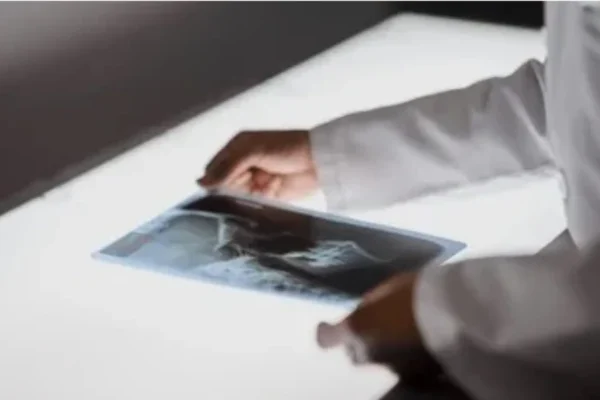
Radiography is an important part of modern healthcare, helping medical professionals diagnose and monitor diseases and injuries through medical imaging. From X-rays and computed tomography (CT) scans to magnetic resonance imaging (MRI), radiographers use specialised equipment to produce images that support accurate clinical decisions. As healthcare services continue to develop in Nigeria, skilled radiography professionals remain essential to hospitals, diagnostic centres and specialist medical facilities.
A radiography course in Nigeria can help learners understand the principles of medical imaging, patient care, radiation protection and imaging technology. Whether you are exploring a future career in diagnostic imaging or looking to expand your knowledge of radiography applications, understanding the profession, required skills and available career opportunities is a useful starting point.
What Is Radiography?
Radiography is a medical imaging discipline that uses different forms of radiation and imaging technology to create pictures of structures inside the human body. These images help doctors identify injuries, detect abnormalities, diagnose medical conditions and monitor treatment.
Radiographers are trained healthcare professionals who operate imaging equipment, prepare patients for examinations and follow procedures designed to produce high-quality diagnostic images safely.
Radiography is not limited to conventional X-ray examinations. It includes several imaging methods, such as:
Each imaging technique has different applications, equipment requirements and safety considerations.
Why Study Radiography in Nigeria?
Radiography plays a significant role in the Nigerian healthcare system. Hospitals, specialist clinics and diagnostic centres depend on medical imaging to support the diagnosis and management of different health conditions.
Studying radiography can introduce learners to an important healthcare profession that combines scientific knowledge, technology and patient interaction.
Here are some reasons to consider learning about radiography:
Growing Importance of Diagnostic Imaging
Medical imaging supports the diagnosis of conditions such as fractures, chest infections, tumours and internal injuries. As healthcare providers expand their diagnostic services, the need for professionals who understand imaging procedures and equipment remains important.
Opportunities in Different Healthcare Settings
Radiography professionals can work in public and private hospitals, diagnostic imaging centres, specialist clinics and other healthcare facilities, depending on their qualifications and professional registration.
Combination of Healthcare and Technology
Radiography involves the use of advanced equipment and digital systems. Learners interested in healthcare technology can explore how imaging equipment, computer systems and clinical procedures work together.
Contribution to Patient Care
Radiographers interact with patients throughout imaging examinations. They help prepare patients, explain procedures, position them correctly and maintain safety standards.
Opportunities for Professional Development
Medical imaging continues to develop through advances in digital radiography, CT, MRI and other technologies. Qualified professionals may pursue further training and specialisation as their careers progress.
What Does a Radiographer Do?
Radiographers perform several responsibilities to ensure medical imaging examinations are conducted safely and effectively. Their duties may vary depending on their area of specialisation and the healthcare facility where they work.
Common responsibilities include:
Radiographers must combine technical competence with good communication and patient-care skills.
Types of Radiography and Medical Imaging Specialisations
Radiography includes several areas of practice. Understanding these specialisations can help learners identify the technologies and career pathways they may wish to explore.
Diagnostic Radiography
Diagnostic radiography involves producing images that help doctors investigate medical conditions. Conventional X-ray examinations are widely used to examine bones, joints, the chest and other body structures.
Diagnostic radiographers must understand patient positioning, imaging techniques, equipment operation and radiation protection.
Computed Tomography (CT)
CT imaging uses X-rays and computer processing to create detailed cross-sectional images. It is commonly used to examine the brain, chest, abdomen, bones and blood vessels.
Professionals working in CT need knowledge of scanning protocols, patient preparation, image quality and radiation dose considerations.
Magnetic Resonance Imaging (MRI)
MRI uses magnetic fields and radiofrequency energy rather than ionising radiation. It can produce detailed images of soft tissues, the brain, spinal cord, joints and internal organs.
MRI practice requires an understanding of magnetic field safety, patient screening, imaging protocols and equipment operation.
Mammography
Mammography is a specialised form of breast imaging used to examine breast tissue. It plays an important role in breast cancer screening and diagnostic assessment.
Professionals working in this area need specialised knowledge of imaging procedures, patient positioning, image quality and patient comfort.
Interventional Radiography
Interventional radiography supports medical procedures that use imaging guidance. These procedures may involve specialised equipment to help clinicians guide instruments through the body.
This area requires knowledge of imaging technology, sterile procedures, radiation protection and teamwork in clinical environments.
Ultrasound Imaging
Ultrasound uses sound waves to create images of internal body structures. It is used in areas such as obstetrics, abdominal imaging, vascular assessment and musculoskeletal examinations.
Ultrasound is a distinct imaging modality and may involve separate training and professional competencies.
Essential Skills Needed for a Career in Radiography
A successful radiography professional needs more than the ability to operate imaging equipment. The role requires a combination of scientific knowledge, technical skills, communication abilities and professional judgement.
Knowledge of Human Anatomy and Physiology
Radiographers need to understand the structure and function of the human body. This knowledge helps them recognise anatomical landmarks, position patients appropriately and produce images that meet examination requirements.
Medical Imaging Equipment Skills
Operating imaging equipment is a central part of radiography practice. Professionals need to understand equipment controls, imaging protocols, positioning techniques and basic troubleshooting procedures within their scope of practice.
Radiation Protection and Safety
Radiographers working with ionising radiation must understand how to minimise unnecessary exposure. This includes applying appropriate protection measures, following safety procedures and considering the needs of patients and staff.
Patient Care and Communication
Patients may feel anxious, uncomfortable or uncertain before an imaging examination. Radiographers need to explain procedures clearly, respond to concerns and treat every patient with dignity and respect.
Attention to Detail
Accurate patient identification, correct positioning and careful image assessment are essential. Small mistakes can affect image quality or lead to unnecessary repeat examinations.
Problem-Solving Skills
Radiography professionals may need to respond to equipment issues, patient positioning challenges and unexpected situations during examinations. Good problem-solving skills support safe and efficient practice.
Teamwork and Professional Conduct
Radiographers work alongside doctors, nurses, medical physicists and other healthcare professionals. They must communicate effectively, respect professional boundaries and maintain patient confidentiality.
How to Study Radiography in Nigeria
People interested in becoming professional radiographers in Nigeria should understand the formal education and registration requirements before choosing a training institution.
Radiography is a regulated healthcare profession. A short online course or introductory training programme may provide useful knowledge, but it does not replace an accredited professional degree or the registration requirements for practising as a radiographer.
Meet the Entry Requirements
Prospective students should review the admission requirements for radiography programmes offered by recognised Nigerian universities. Requirements commonly include relevant secondary school science subjects and the applicable university admission criteria.
Applicants should check the current requirements of their chosen institution and the Joint Admissions and Matriculation Board (JAMB), as admission conditions may vary.
Choose an Approved University
Students should select a university offering an appropriately accredited radiography programme. It is important to verify the programme’s current accreditation status rather than relying only on promotional information.
The Radiographers Registration Board of Nigeria (RRBN) is the statutory regulatory body responsible for regulating radiography practice in Nigeria. Prospective students can consult the Radiographers Registration Board of Nigeria for relevant professional and regulatory information.
Complete Professional Training
A professional radiography programme provides academic and practical training in areas such as:
Students also undertake supervised clinical learning to develop practical competence in healthcare settings.
Meet Registration Requirements
Graduating from a radiography programme is not the only requirement for professional practice. Individuals must satisfy the applicable professional registration and licensing requirements established by the RRBN.
Anyone planning to practise in Nigeria should confirm the current registration process directly with the regulatory body.
Understand the Applications of Radiography in Modern Healthcare
Build your understanding of how radiography and medical imaging technologies support diagnosis, patient care and clinical practice. Enrol in Applications of Radiography to explore the uses and importance of radiographic techniques across healthcare settings.
Career Opportunities for Radiographers in Nigeria
Completing an accredited radiography programme and meeting professional registration requirements can provide access to different career opportunities in healthcare.
Some potential career areas include:
Hospital Radiographer
Hospital radiographers work in public and private hospitals, carrying out diagnostic imaging examinations and supporting clinical teams. Their responsibilities may include general X-ray imaging and other modalities for which they are trained and authorised.
Diagnostic Imaging Centre Professional
Diagnostic centres provide imaging services to patients referred by healthcare professionals. Radiographers may work with conventional X-ray, CT, MRI and other equipment depending on the facility’s services.
CT and MRI Specialist
With relevant additional training and experience, radiographers may develop expertise in CT or MRI imaging. These specialisations require knowledge of advanced imaging protocols, patient preparation and equipment safety.
Mammography Professional
Radiographers with appropriate specialist training may work in breast imaging services. Their responsibilities can include supporting screening and diagnostic examinations.
Academic and Research Professional
Experienced radiographers may pursue further education and work in teaching, academic research or clinical education. These roles can contribute to the development of radiography knowledge and professional practice.
Healthcare Administration and Imaging Management
With relevant experience and additional management skills, radiography professionals may move into supervisory, departmental management or healthcare administration roles.
Medical Imaging Equipment and Application Support
There may also be opportunities to work with medical equipment suppliers and technology providers in roles involving equipment applications, user training and technical support. The requirements depend on the employer and the nature of the position.
Where Can Radiographers Work in Nigeria?
Qualified radiographers may find employment opportunities in different healthcare and related organisations, including:
The availability of opportunities depends on location, professional experience, qualifications and the imaging services offered by individual facilities.
Challenges and Responsibilities in Radiography Practice
Radiography can be a rewarding profession, but it also involves important responsibilities and workplace challenges.
Maintaining Radiation Safety
Imaging procedures involving ionising radiation require careful attention to radiation protection. Radiographers must follow approved protocols and ensure that examinations are appropriately justified and optimised.
Managing Patient Anxiety
Some patients may be frightened, distressed or uncomfortable during imaging procedures. Radiographers need patience, empathy and communication skills to support them.
Keeping Up with Technology
Medical imaging equipment and software continue to evolve. Professionals must participate in relevant continuing professional development to maintain and improve their knowledge.
Working Under Pressure
Busy hospitals and diagnostic centres may handle many patients each day. Radiographers need to manage their responsibilities efficiently without compromising patient safety or image quality.
Maintaining Professional Standards
Accurate documentation, confidentiality, ethical conduct and compliance with professional requirements are essential throughout a radiography career.
Is a Radiography Course in Nigeria Worth It?
A radiography course in Nigeria can be worthwhile for individuals interested in medical imaging, healthcare technology and patient care. However, the value of a course depends on its purpose and the learner’s career goals.
If your aim is to become a practising radiographer, you should pursue an accredited professional radiography programme and meet the registration requirements of the RRBN.
If you are a healthcare learner, medical support professional or someone interested in understanding diagnostic imaging, a short course can provide introductory knowledge of radiography principles, imaging methods, equipment applications and safety considerations.
Before enrolling, check the course curriculum, learning outcomes, practical components and whether the programme is intended for professional qualification or general knowledge development.
How to Choose the Right Radiography Course
Choosing an appropriate course is important because different programmes serve different learning objectives.
Consider the following factors before enrolling:
Taking time to evaluate these factors can help you avoid enrolling in a programme that does not meet your expectations.
Frequently Asked Questions
How long does it take to study radiography in Nigeria?
The duration depends on the professional programme and the institution offering it. Prospective students should check the current programme structure and admission information of their preferred university.
What subjects are required to study radiography in Nigeria?
Radiography programmes generally require a strong foundation in science subjects, including relevant O’Level credits in areas such as English Language, Mathematics, Physics, Chemistry and Biology. Applicants should confirm the specific requirements with their chosen university and JAMB.
Is radiography a good career in Nigeria?
Radiography can be a rewarding career for individuals interested in healthcare, medical imaging and technology. Qualified professionals may work in hospitals, diagnostic centres, specialist clinics, education and other related areas.
Can I become a radiographer by taking an online radiography course?
An online introductory course can help you understand radiography concepts and medical imaging applications, but it does not qualify you to practise as a professional radiographer in Nigeria. Professional practice requires an accredited qualification and compliance with RRBN registration requirements.
Where can radiographers work in Nigeria?
Radiographers can work in teaching hospitals, general hospitals, private healthcare facilities, diagnostic imaging centres, specialist clinics and other relevant organisations. Some may also pursue careers in education, research, imaging management or medical equipment support.
Understand the Applications of Radiography in Modern Healthcare
Build your understanding of how radiography and medical imaging technologies support diagnosis, patient care and clinical practice. Enrol in Applications of Radiography to explore the uses and importance of radiographic techniques across healthcare settings.
Final Thoughts
Radiography is an essential healthcare discipline that combines medical science, advanced imaging technology and patient care. From conventional X-rays to CT and MRI examinations, radiographers help healthcare professionals investigate medical conditions and make informed clinical decisions.
For anyone considering a radiography course in Nigeria, understanding the available specialisations, required skills and career opportunities is an important first step. Those who want to practise professionally must pursue an accredited radiography qualification and satisfy the registration requirements of the Radiographers Registration Board of Nigeria. Introductory courses can also help learners develop a broader understanding of medical imaging and its applications in modern healthcare.