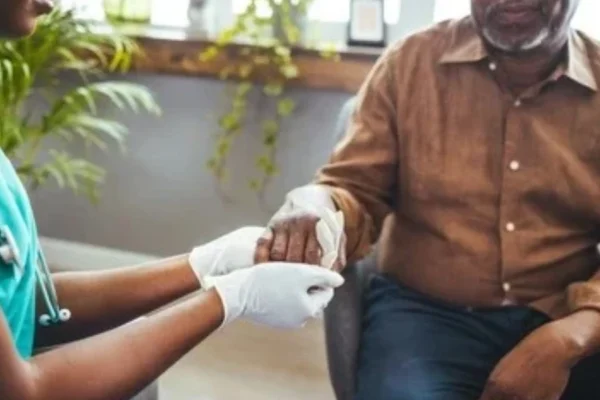
Understanding the duties of a caregiver is essential for anyone who wants to support older adults, people with disabilities, individuals recovering from illness and others who need help with everyday activities. Caregivers play an important role in promoting comfort, dignity, safety and independence while helping individuals manage their daily routines.
In Nigeria, caregiving responsibilities may take place in private homes, residential care settings and other support environments. Daily tasks can include assisting with personal hygiene, preparing meals, supporting mobility, providing companionship and observing changes in a person’s wellbeing. The exact responsibilities depend on the individual’s needs, the care arrangement and the caregiver’s training. Developing the right practical skills and personal qualities can help caregivers provide respectful, reliable and safe support.
What Are the Duties of a Caregiver?
The duties of a caregiver involve assisting individuals who need support with personal care, daily activities and general wellbeing. The goal is to help people maintain the highest possible level of independence while ensuring their needs are addressed respectfully.
Caregivers may work with older adults, people with disabilities, individuals living with long-term conditions or people recovering from illness or injury. Some provide support in private homes, while others work in residential care facilities or suitable healthcare support environments.
Common duties include:
The responsibilities of a caregiver should always match their training, the person’s care plan and the requirements of the role.
Daily Responsibilities of a Caregiver
A caregiver’s daily routine varies according to the needs of the person receiving care. Some individuals require occasional assistance, while others need support throughout the day.
Assisting with Personal Hygiene
One of the most important duties of a caregiver is helping individuals maintain personal hygiene. Depending on their needs, this may include assistance with bathing, washing, dressing, grooming, oral hygiene and toileting.
Caregivers should protect the individual’s privacy, explain what they are doing and encourage the person to complete any tasks they can manage independently.
Maintaining personal hygiene can support comfort, dignity and general wellbeing. Caregivers should also follow appropriate hygiene procedures and report any concerns, such as unusual skin changes or discomfort.
Helping with Mobility and Movement
Some individuals need help walking, standing, changing position or moving between a bed and a chair.
Caregivers should follow safe moving and handling procedures, use suitable mobility aids when available and avoid lifting someone in an unsafe manner. If a task exceeds their training or physical ability, they should seek appropriate assistance.
Supporting mobility safely can help individuals maintain independence and participate in everyday activities.
Preparing Meals and Supporting Nutrition
Caregivers may prepare meals, provide snacks and help individuals eat or drink when necessary. They should follow agreed dietary requirements and respect personal preferences.
Good nutrition and adequate hydration are important aspects of daily care. Caregivers should observe changes in appetite, difficulty eating or drinking, and other concerns, then report them to the appropriate person.
Special dietary needs or swallowing difficulties may require guidance from a qualified healthcare professional.
Providing Companionship and Emotional Support
Caregiving involves more than physical assistance. Companionship can help individuals feel valued, heard and connected to others.
Caregivers may talk with the person, listen to their concerns, encourage suitable hobbies or support social interaction. They should communicate patiently and respect the individual’s preferences, beliefs and personal boundaries.
Emotional support is particularly important for people who experience loneliness, reduced independence or difficulties adjusting to changes in their circumstances.
Supporting Daily Routines and Activities
Caregivers often help individuals maintain a consistent daily routine. This may involve assisting with dressing, organising personal belongings, preparing meals, attending appointments or participating in suitable recreational activities.
A predictable routine can help people feel more comfortable and maintain a sense of control over their day.
Caregivers should involve the person in decisions wherever possible and avoid taking over tasks that the individual can safely complete independently.
Maintaining a Clean and Safe Environment
A clean environment can help reduce avoidable hazards and support everyday comfort.
Depending on the role, caregivers may perform light household tasks related to the person’s care, such as tidying frequently used areas, cleaning surfaces, washing care-related items and keeping walkways clear.
They should also watch for hazards such as loose rugs, poor lighting, wet floors and obstacles that could cause falls. More extensive cleaning or household responsibilities should be agreed as part of the care arrangement.
Observing Changes in Wellbeing
Caregivers may be among the first people to notice changes in an individual’s usual behaviour or condition.
They should pay attention to concerns such as reduced appetite, unusual confusion, changes in mobility, visible discomfort or a decline in general wellbeing.
Caregivers must report significant concerns promptly to the appropriate family member, supervisor or healthcare professional. Sudden or severe symptoms may require urgent medical assistance.
Caregivers should not diagnose illnesses or make treatment decisions outside their qualifications and authorised responsibilities.
Recording Daily Activities
Some caregiving roles require written records of completed tasks, meals, activities, concerns and other relevant observations.
Accurate records help maintain continuity of care and allow authorised people to understand the support provided.
Caregivers should follow the employer’s documentation procedures, record information honestly and protect confidential details.
Essential Skills Every Caregiver Needs
Carrying out caregiving duties effectively requires practical knowledge, sound judgement and appropriate personal qualities.
Communication Skills
Caregivers need to communicate clearly with the person receiving care, family members and relevant professionals.
Good communication includes listening carefully, explaining tasks, asking questions when necessary and reporting concerns accurately. Caregivers should adapt their communication to the individual’s preferences and abilities.
Patience and Empathy
People receiving care may need additional time to complete everyday tasks or communicate their needs. Patience helps caregivers respond calmly rather than creating unnecessary pressure.
Empathy allows caregivers to understand another person’s perspective and provide support without judgement. These qualities are essential for maintaining trust and dignity.
Personal Care Skills
Caregivers should understand appropriate procedures for hygiene, dressing, toileting and other personal care tasks relevant to their role.
They must respect privacy, follow safe practices and encourage independence. Practical training can help them understand how to provide assistance appropriately.
Observation and Attention to Detail
Caregivers should recognise when a person’s usual routine, behaviour or wellbeing changes.
Attention to detail is important when following care instructions, preparing meals according to agreed requirements and recording observations. Concerns should be communicated promptly to the appropriate person.
Time Management and Organisation
Caregivers may need to coordinate meals, personal care, activities, appointments and household tasks throughout the day.
Good organisation helps ensure important responsibilities are completed without rushing the person receiving care. Caregivers should also understand which tasks are most urgent and when they need assistance.
Problem-Solving Skills
Everyday caregiving can involve unexpected challenges, such as a change in routine or difficulty completing a task safely.
Caregivers should remain calm, follow the person’s care plan and seek guidance when a situation exceeds their knowledge or authority. They should never improvise potentially dangerous procedures.
Confidentiality and Professional Boundaries
Caregivers may have access to personal information about an individual’s health, family and daily life.
They must respect confidentiality, share information only with authorised people and follow relevant workplace policies. Maintaining professional boundaries also means recognising the limits of their role and avoiding tasks they are not trained or authorised to perform.
Learn the Fundamentals of Caregiving
Prepare for caregiving responsibilities with the Introduction to Caregiving Analysis course. Develop foundational knowledge to better understand care needs, daily support responsibilities and respectful caregiving practices as you begin your learning journey.
Duties of a Caregiver for Elderly People
Older adults may need different levels of support depending on their health, mobility, independence and personal circumstances.
Caregiver duties may include:
Caregivers should avoid assuming that all older adults have the same needs. Some people require only limited assistance, while others may need more comprehensive daily support.
The best approach is to respect each person’s preferences, encourage independence and adapt support to their individual circumstances.
Duties of a Caregiver for People with Disabilities
Caregivers supporting people with disabilities should focus on individual needs, accessibility, personal choice and independence.
Responsibilities may include assisting with personal care, supporting mobility, helping with everyday routines and facilitating participation in social or community activities.
Communication methods and support arrangements should reflect the person’s preferences and abilities. Caregivers should not assume that a disability automatically prevents someone from making decisions or managing daily activities.
Where specialised equipment, communication support or particular care procedures are required, caregivers should follow appropriate training and professional guidance.
Duties of a Home Caregiver in Nigeria
Home caregivers provide assistance in a person’s own home. Their responsibilities are usually agreed with the person receiving care or their authorised representative.
Common duties may include personal care, meal preparation, companionship, mobility support, light household tasks and assistance with agreed daily routines.
In Nigeria, home caregiving arrangements may differ considerably between households. It is important to clarify working hours, expected duties, privacy requirements, payment arrangements and emergency procedures before starting a role.
Caregivers should also understand when to contact family members or healthcare professionals and how to respond if the person’s needs change.
A written agreement or clear care plan can help prevent misunderstandings and ensure that responsibilities remain appropriate.
What a Caregiver Should Not Do
Understanding professional boundaries is just as important as understanding daily responsibilities.
Unless appropriately qualified and authorised, a caregiver should not:
Caregivers should follow the agreed care plan, workplace procedures and applicable requirements. When uncertain, they should seek guidance from a supervisor or qualified healthcare professional.
How to Become a Caregiver in Nigeria
If you want to work as a caregiver in Nigeria, developing relevant knowledge and practical skills is a useful first step.
Complete a Suitable Caregiving Course
Look for a course that covers personal care, communication, mobility assistance, hygiene, nutrition, safeguarding, safety and professional boundaries.
Review the course content to ensure it aligns with your goals. If a particular job requires specialist training, supervised practical experience or specific qualifications, confirm those requirements before enrolling.
Develop Practical Experience
Where available, seek appropriate supervised experience to practise relevant skills and understand real caregiving situations.
Practical experience can help you develop confidence, but you should never undertake clinical procedures or other responsibilities beyond your competence and authorisation.
Learn About Safeguarding and Safety
Understand how to recognise possible abuse, neglect and unsafe conditions. Learn the correct reporting procedures and when to seek urgent help.
Training in first aid may also be useful, depending on the position and the requirements of the employer.
Prepare for Caregiving Opportunities
Create a CV that highlights relevant training, communication skills, reliability, experience and any additional qualifications.
Search for suitable vacancies through reputable recruitment platforms, care organisations and direct employer advertisements. Check the requirements carefully, and be cautious about suspicious recruitment fees or requests for sensitive financial information.
Career Opportunities for Caregivers in Nigeria
People with relevant caregiving knowledge may explore opportunities in different care and support settings, depending on their experience and qualifications.
Potential areas include:
Some people also use caregiving knowledge to support relatives at home. Others may pursue additional training in areas such as dementia care, disability support, first aid or other relevant specialisms.
A caregiving course does not guarantee employment or automatically qualify someone for regulated healthcare positions. Employers may require specific qualifications, references, background checks and practical experience.
Frequently Asked Questions
What are the main duties of a caregiver?
The main duties of a caregiver include assisting with personal hygiene, mobility, meals, daily routines and companionship. Caregivers may also maintain a safe environment, observe changes in wellbeing and report concerns. Responsibilities depend on the person’s needs and the caregiver’s training.
What skills are important for a caregiver?
Important caregiving skills include communication, patience, empathy, personal care, observation, time management and problem-solving. Caregivers also need to understand confidentiality, safeguarding and professional boundaries. Relevant training can help develop these skills.
What are the daily responsibilities of a caregiver in Nigeria?
Daily responsibilities may include helping with personal care, preparing meals, supporting mobility, providing companionship and assisting with agreed household tasks. Caregivers may also record activities and report concerns to family members or healthcare professionals. The exact duties depend on the care arrangement.
Can I become a caregiver in Nigeria without experience?
Some entry-level positions may accept applicants without previous professional experience, particularly when appropriate training and supervision are available. Employers may still require specific qualifications, references or background checks. Always check the requirements of the individual vacancy.
Is a caregiving course necessary to work as a caregiver?
Requirements vary by employer and type of care. A caregiving course can help you understand safe practices, personal care, communication and safeguarding, but some roles may require additional qualifications or supervised experience. Check the requirements of your intended position before enrolling.
Learn the Fundamentals of Caregiving
Prepare for caregiving responsibilities with the Introduction to Caregiving Analysis course. Develop foundational knowledge to better understand care needs, daily support responsibilities and respectful caregiving practices as you begin your learning journey.
Final Thoughts
The duties of a caregiver involve much more than helping someone complete everyday tasks. Caregivers support personal hygiene, nutrition, mobility, companionship, daily routines and safety while helping individuals maintain dignity and independence.
Effective caregiving also requires patience, empathy, clear communication, careful observation and respect for confidentiality. Understanding professional boundaries is essential because caregivers must recognise when a situation requires assistance from a supervisor or qualified healthcare professional.
For anyone interested in caregiving in Nigeria, learning the fundamentals and developing practical skills can provide a useful starting point. Choose relevant training, understand the responsibilities of your intended role and continue improving your knowledge so you can provide safe, respectful and dependable support.