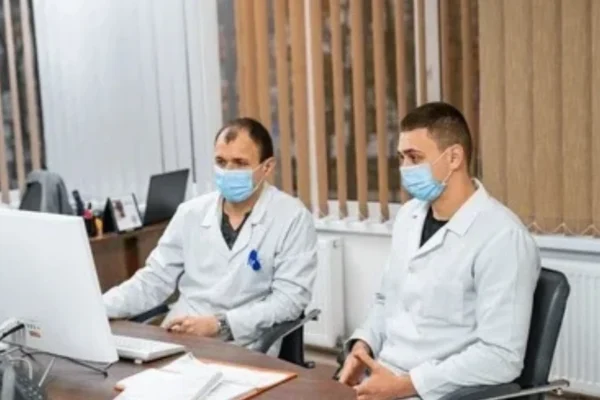
If you want to learn how to become a mental health nurse in the UK, understanding the qualifications, university courses, registration requirements, and practical experience needed is essential. Mental health nurses support people experiencing mental health conditions, emotional distress, and psychological difficulties. They work in hospitals, community services, specialist clinics, and other healthcare settings, helping individuals manage their conditions and improve their quality of life. Unlike some other care roles, becoming a registered mental health nurse requires completing an approved nursing education programme and meeting the registration requirements of the Nursing and Midwifery Council (NMC). This guide explains the steps involved, potential salaries, essential skills, and career progression opportunities in mental health nursing across the UK.
What Does a Mental Health Nurse Do?
A mental health nurse supports individuals experiencing mental health difficulties and helps them manage their conditions, maintain their well-being, and work towards recovery.
Mental health nurses work with people experiencing a wide range of needs, including anxiety disorders, depression, bipolar disorder, schizophrenia, trauma-related conditions, and other mental health challenges.
Their responsibilities depend on the workplace, their qualifications, and the needs of the people they support.
Common duties include:
Mental health nurses also help individuals understand their treatment options, participate in decisions about their care, and access appropriate community support.
The role requires clinical knowledge, effective communication, empathy, sound judgement, and the ability to respond appropriately to challenging situations.
How to Become a Mental Health Nurse UK: Step-by-Step Guide
Becoming a registered mental health nurse involves academic study, supervised clinical practice, and professional registration.
Understand the Entry Requirements
The first step is to understand the academic and personal requirements for mental health nursing programmes.
Universities set their own admission criteria, so requirements vary between institutions. Typical expectations may include:
Some universities may accept Access to Higher Education Diplomas or applicants with relevant previous learning and experience.
You may also need to demonstrate an understanding of mental health nursing, your motivation to enter the profession, and your ability to undertake demanding academic and clinical training.
Check the admissions requirements directly with each university before applying.
Complete an NMC-Approved Mental Health Nursing Degree
The most common route into mental health nursing is to complete an undergraduate degree in mental health nursing at an institution offering an approved programme.
Approved nursing programmes usually take at least three years to complete, although some alternative routes may be available depending on your previous education and experience.
During the programme, you develop theoretical knowledge and practical skills in areas such as:
NMC-approved nursing programmes include substantial supervised practice learning. The NMC states that approximately half of nursing education takes place in clinical practice, allowing students to develop practical competence while working with patients and healthcare professionals.
You can search for suitable courses using the official Nursing and Midwifery Council approved programmes directory.
Always confirm that the specific programme is approved for the mental health nursing field of practice before accepting an offer.
Consider a Nursing Degree Apprenticeship
A degree apprenticeship may be another route into mental health nursing, depending on the opportunities available in your area.
This pathway combines academic education with supervised workplace learning. Apprentices typically work for an eligible employer while completing the required nursing education and practice assessments.
The availability of mental health nursing apprenticeships depends on participating employers and education providers. Entry requirements and arrangements vary, so you should check current vacancies and confirm that the programme leads to eligibility for NMC registration.
A nursing apprenticeship is different from a general mental health awareness course or a standalone nursing diploma.
Gain Supervised Clinical Experience
Clinical practice is an essential part of becoming a mental health nurse.
During an approved programme, students gain supervised experience in appropriate healthcare settings. Placements may involve community mental health services, inpatient units, older adult services, specialist teams, or other relevant environments.
Clinical experience helps students learn how to:
Students must meet their programme’s academic and clinical competency requirements before qualifying.
Apply for NMC Registration
Completing an approved nursing programme is an essential step, but you must also meet the NMC’s registration requirements before practising as a registered nurse.
The Nursing and Midwifery Council regulates nurses and midwives throughout the UK. It maintains the professional register and establishes standards intended to protect the public and promote safe practice.
After completing your programme, you can apply to join the NMC register in the appropriate nursing field, provided you meet the relevant requirements.
These include demonstrating the necessary knowledge, competence, health, and character. English language requirements and other registration conditions may also apply.
For details about the application process, visit the official NMC registration guidance.
Once registered, you can apply for suitable mental health nursing positions and begin developing your career as a qualified professional.
What Qualifications Do You Need to Become a Mental Health Nurse?
The qualifications you need depend on your chosen route, previous education, and the requirements of the university or apprenticeship provider.
|
Qualification or requirement |
Purpose |
|
GCSEs or equivalent qualifications |
May be required for university entry, particularly in English and mathematics. |
|
Level 3 qualification |
Provides an academic foundation for undergraduate nursing programmes. |
|
NMC-approved mental health nursing degree |
Provides the required nursing education and clinical practice for the standard graduate route. |
|
Supervised clinical placements |
Develop practical nursing skills and assess competence. |
|
NMC registration |
Enables you to practise as a registered nurse within the appropriate field of practice. |
|
Continuing professional development |
Helps registered nurses maintain and develop their knowledge and skills. |
Some applicants may enter through approved alternative routes, including relevant nursing apprenticeships or conversion programmes available to eligible registered nurses.
It is important to distinguish between a general mental health course and a professional nursing qualification.
A standalone diploma in mental health nursing may help you develop subject knowledge, but it does not automatically qualify you to work as a registered mental health nurse.
Before enrolling on any course advertised as a nursing diploma, verify its status with the NMC and the education provider.
Develop Your Mental Health Knowledge
Strengthen your understanding of mental health, patient support, therapeutic communication, and essential mental health nursing principles with the Mental Health Nursing Diploma from Virtual Skills Academy. Take a practical step towards expanding your knowledge and exploring future learning opportunities in mental health and healthcare.
Can You Become a Mental Health Nurse Without a Nursing Degree?
You must complete an appropriate NMC-approved nursing education route and meet the professional registration requirements to become a registered mental health nurse.
However, a traditional undergraduate degree is not necessarily the only route for every applicant.
Depending on your circumstances, possible pathways may include:
Nursing degree apprenticeship: Combines paid employment with academic study and supervised clinical learning.
Conversion or shortened programmes: Some registered nurses from another field may be eligible for an approved programme that prepares them for an additional nursing field.
Recognition of prior learning: Eligible applicants may receive credit for previous relevant learning, subject to the requirements of the approved programme and the NMC standards.
These options are different from completing a general mental health course independently. You should confirm that your chosen pathway leads to the appropriate professional registration.
What Skills Do You Need to Become a Mental Health Nurse?
Mental health nurses need clinical knowledge and strong interpersonal skills to provide safe, respectful, and effective care.
Communication and Active Listening
Patients may find it difficult to explain their feelings, describe symptoms, or discuss sensitive experiences. Mental health nurses need to listen carefully, ask appropriate questions, and communicate in ways that help individuals feel understood.
Empathy and Compassion
Mental health difficulties can affect relationships, employment, independence, and everyday life. Compassion helps nurses build trust and provide support without judgement.
Emotional Resilience
Mental health nursing can involve emotionally demanding situations, including crisis interventions, challenging behavior, and supporting people experiencing severe distress.
Emotional resilience, reflection, supervision, and appropriate professional support can help nurses maintain their well-being while delivering effective care.
Clinical Assessment and Decision-Making
Mental health nurses need to observe patients, gather relevant information, recognise risks, and contribute to appropriate care decisions within their competence.
They must understand when to escalate concerns and when additional clinical input is required.
Teamwork
Mental health nurses frequently work alongside psychiatrists, psychologists, occupational therapists, social workers, healthcare support workers, and other professionals.
Effective collaboration helps coordinate care and support patients’ recovery.
Professional Ethics and Confidentiality
Nurses must respect patients’ rights, maintain confidentiality, follow professional standards, and act appropriately when safeguarding or safety concerns arise.
They must also understand the legal and ethical responsibilities associated with mental health care.
Where Can Mental Health Nurses Work in the UK?
Mental health nurses work in a range of healthcare and community environments.
NHS mental health hospitals: Provide nursing care to patients requiring inpatient treatment or specialist mental health support.
Community mental health teams: Support people living in the community who require continuing assessment, treatment, and recovery-focused care.
Outpatient clinics: Help patients manage their conditions through appointments, treatment planning, and ongoing support.
Child and adolescent mental health services: Work with children and young people who experience mental health difficulties.
Older adult mental health services: Support older people experiencing mental health conditions, including complex needs associated with ageing.
Forensic mental health services: Provide care to people receiving mental health treatment within secure or justice-related settings.
Private healthcare providers: Deliver mental health services outside the NHS, subject to the provider’s clinical and professional requirements.
Some mental health nurses also work in rehabilitation services, specialist community teams, substance misuse services, and other settings.
Your preferred area of practice may influence the experience and additional training that can support your career development.
How Much Does a Mental Health Nurse Earn in the UK?
Mental health nurse salaries vary depending on experience, location, employer, specialist responsibilities, and working arrangements.
The National Careers Service mental health nurse profile lists an indicative annual salary range of approximately £32,000 for starters to £48,000 for experienced practitioners.
These figures are broad career estimates rather than guaranteed salaries for every vacancy.
Many mental health nurses working in the NHS are employed under the Agenda for Change pay system. Their salary depends on the relevant pay band, experience, role, and the terms applicable to their employer.
Senior, specialist, advanced practice, and leadership positions may have different salary structures. Private-sector salaries also vary between providers.
When researching pay, compare current vacancies and consider shift patterns, additional payments, pension arrangements, professional development opportunities, and other employment benefits.
Career Progression Opportunities in Mental Health Nursing
After qualifying and gaining experience, mental health nurses can explore a variety of specialist and leadership pathways.
Senior Mental Health Nurse
Senior nurses take on greater clinical responsibilities, support colleagues, contribute to care planning, and help maintain safe and effective services.
Community Mental Health Nurse
Community mental health nurses support individuals outside hospital settings, helping them manage their conditions and access appropriate services.
Specialist Mental Health Nurse
With appropriate experience and additional training, nurses may develop expertise in areas such as dementia, addiction, forensic mental health, or child and adolescent mental health.
Clinical Nurse Specialist
Clinical nurse specialists provide advanced knowledge within a defined area of care. Requirements depend on the role and employer and may include additional qualifications and substantial relevant experience.
Advanced Clinical Practitioner
Advanced practitioners work at an extended level of clinical practice and may undertake more complex assessments, clinical decision-making, and care management responsibilities. These positions generally require substantial experience and additional education.
Ward Manager or Service Manager
Management roles involve responsibilities such as staff supervision, service quality, operational planning, and ensuring that care is delivered in accordance with applicable standards.
Nurse Consultant or Leadership Roles
Experienced nurses may pursue senior clinical, educational, research, or leadership positions, depending on their qualifications and experience.
Continuing professional development is important throughout these career pathways. Registered nurses must meet the NMC’s revalidation requirements to maintain their registration.
What Is the Difference Between a Mental Health Nurse and a Mental Health Support Worker?
Although both roles help people experiencing mental health difficulties, their responsibilities and entry requirements differ.
|
Mental health nurse |
Mental health support worker |
|
Requires an appropriate professional nursing qualification and NMC registration. |
Does not normally require registered nurse status, although employers set their own requirements. |
|
Undertakes nursing assessments and clinical responsibilities within their competence. |
Provides practical, emotional, and day-to-day support within the role. |
|
May contribute to clinical treatment, medication management, and care planning. |
May support care plans and medication-related tasks where appropriately trained and authorised. |
|
Can progress into specialist nursing, advanced practice, and nursing leadership. |
Can progress into senior support roles or pursue further professional training. |
A support worker role can provide valuable experience in mental health services, but it does not automatically lead to nursing registration. Anyone seeking to become a registered mental health nurse must complete the required approved education and registration pathway.
How to Prepare for a Career in Mental Health Nursing
If you are interested in becoming a mental health nurse, start by assessing your current qualifications and researching approved programmes.
Review university entry requirements, consider whether a degree apprenticeship is available, and explore opportunities to gain relevant experience in healthcare or community support.
You can also develop your understanding of mental health conditions, communication, safeguarding, professional ethics, and recovery-focused practice through appropriate learning.
Before committing to a course, confirm whether it is intended to provide general subject knowledge or leads to a professionally approved nursing qualification. This distinction is particularly important if your long-term goal is to register and practise as a nurse in the UK.
Careful preparation can help you choose a suitable learning pathway and understand the academic, practical, and professional commitments involved.
Build Your Mental Health Knowledge
Developing your understanding of mental health can be a useful starting point if you are exploring a future in healthcare, support services, or mental health-related work.
Virtual Skills Academy’s Mental Health Nursing Diploma is an option to explore for developing foundational knowledge of mental health nursing principles and related topics.
Before enrolling, review the course syllabus, provider information, and qualification status. This type of course should not be treated as a substitute for an NMC-approved nursing programme or professional registration. Completing it alone does not qualify you to practise as a registered mental health nurse.
Frequently Asked Questions
How long does it take to become a mental health nurse in the UK?
An approved undergraduate mental health nursing programme usually takes at least three years to complete. Additional time may be required depending on your previous education, chosen entry route, and registration process.
What qualifications do you need to become a mental health nurse in the UK?
You generally need to meet a university’s academic entry requirements, complete an NMC-approved nursing education programme, and satisfy the NMC’s registration requirements. Entry qualifications vary between universities, and alternative approved routes may be available.
Can you become a mental health nurse without a degree?
Some alternative pathways, including suitable nursing degree apprenticeships and approved programmes for eligible registered nurses, may be available. However, you must complete an appropriate approved nursing education route and meet the requirements for NMC registration.
How much does a mental health nurse earn in the UK?
The National Careers Service lists an indicative annual salary range of approximately £32,000 to £48,000. Actual earnings depend on experience, employer, location, specialist responsibilities, and the applicable pay structure.
Does a Mental Health Nursing Diploma qualify you to become a registered nurse?
Not automatically. To qualify as a registered mental health nurse, you must complete an appropriate NMC-approved nursing programme and meet the NMC’s registration requirements. A standalone diploma can support general learning but does not replace this professional pathway.
Develop Your Mental Health Knowledge
Strengthen your understanding of mental health, patient support, therapeutic communication, and essential mental health nursing principles with the Mental Health Nursing Diploma from Virtual Skills Academy. Take a practical step towards expanding your knowledge and exploring future learning opportunities in mental health and healthcare.
Final Thoughts
Becoming a mental health nurse in the UK requires dedication, appropriate nursing education, supervised clinical experience, and registration with the Nursing and Midwifery Council (NMC). By researching approved programmes, understanding entry requirements, and exploring suitable training routes, you can take informed steps towards a career supporting people with mental health needs. Developing your communication, empathy, clinical knowledge, and professional judgement will also help you prepare for the responsibilities of this role. If you are just starting to explore the field, a mental health nursing course can help you build foundational knowledge, although it does not replace an approved nursing qualification. With careful planning and continued learning, you can work towards a rewarding career in mental health care.