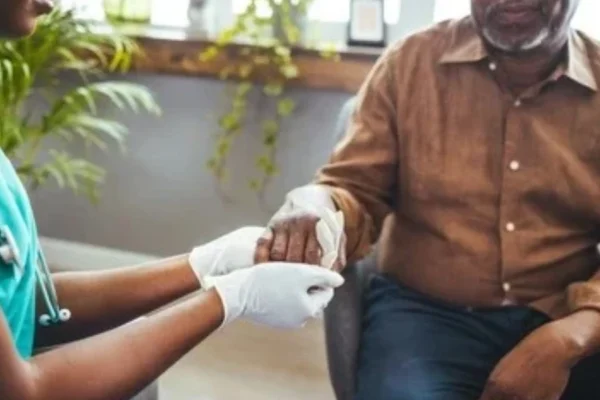
Caregiving is an important and rewarding career for people who enjoy supporting older adults, people with disabilities, individuals recovering from illness and others who need assistance with everyday activities. If you are researching how to become a caregiver in Nigeria, understanding the skills, training, responsibilities and career opportunities can help you decide whether this profession is right for you.
Caregivers can work in private homes, hospitals, residential care settings, community-based services and other care environments. While formal requirements can vary depending on the employer and type of care provided, having appropriate caregiving knowledge and practical skills can improve your employability.
This guide explains how to start a caregiving career in Nigeria, what qualifications and skills you may need, where caregivers can work, what the job involves and how to develop your career.
What Does a Caregiver Do?
A caregiver provides practical, personal and emotional support to someone who needs assistance with daily living.
Depending on the individual’s needs, responsibilities may include:
The exact responsibilities depend on the person’s condition, care plan and the employer.
Caregivers should understand their professional boundaries. They should not perform clinical or medical procedures outside their training, competence or legal authority.
How to Become a Caregiver in Nigeria
If you want to know how to become a caregiver in Nigeria, a practical pathway is to develop foundational caregiving knowledge, gain relevant training, build practical experience and apply for suitable positions.
Understand the Role of a Caregiver
Before beginning your training, learn what caregiving actually involves.
Caregiving can be physically and emotionally demanding. You may support people who have limited mobility, chronic health conditions, disabilities, age-related needs or temporary difficulties with everyday activities.
You should be prepared for responsibilities such as:
Understanding these responsibilities can help you determine whether caregiving suits your personality and career goals.
Develop Basic Caregiving Knowledge
A structured caregiving course can provide a foundation in important areas such as:
For beginners, structured learning can provide a more organised foundation than relying only on informal advice or online videos.
Develop Practical Caregiving Skills
Caregiving is a practical profession.
You need to know how to apply what you learn when supporting another person.
Important skills include:
Personal care: Supporting bathing, grooming, dressing and other daily activities while maintaining dignity.
Mobility support: Helping individuals move safely while reducing the risk of falls or injury.
Communication: Listening carefully and communicating respectfully with clients, families and other professionals.
Observation: Recognising changes in a person’s behaviour, appearance or wellbeing and reporting appropriate concerns.
Compassion: Providing support without treating the person as helpless or ignoring their preferences.
What Qualifications Do You Need to Become a Caregiver in Nigeria?
There is not one universal qualification that every caregiver in Nigeria must hold for every type of caregiving job.
Employer requirements can vary according to the setting, responsibilities and level of care involved.
However, completing a recognised or reputable caregiving course can demonstrate that you have developed foundational knowledge.
Employers may also look for:
For roles involving clinical or specialised care, additional professional qualifications may be required.
It is important to distinguish caregiving from regulated healthcare professions. A caregiver should not present themselves as a nurse, doctor or other licensed healthcare professional without the appropriate professional qualification and registration.
Do You Need a Nursing Qualification to Become a Caregiver?
Not necessarily.
A caregiver and a nurse have different responsibilities and professional roles.
Nurses receive professional healthcare training and are responsible for clinical duties within their scope of practice. Caregivers primarily provide personal, practical and supportive care.
A person who wants to become a caregiver can therefore begin with caregiving-specific education rather than assuming that they must first become a nurse.
However, if a particular employer advertises a caregiving position requiring nursing or another healthcare qualification, applicants must meet that employer’s requirements.
Important Skills for Caregivers in Nigeria
Technical caregiving knowledge is important, but personal qualities can also have a major impact on your effectiveness.
Communication Skills
Good communication helps caregivers understand what clients need and communicate important information to families and other professionals.
You should be able to:
Empathy and Compassion
People receiving care may feel vulnerable or frustrated.
A good caregiver should demonstrate patience, empathy and respect.
Patience
Some individuals may need more time to complete everyday activities or communicate their needs.
Patience is therefore essential.
Observation
Caregivers often spend significant time with clients and may notice changes before others do.
You should pay attention to:
Concerns should be reported through the appropriate channels rather than ignored.
Organisation
Caregivers may need to manage schedules, appointments, meals, personal-care routines and other responsibilities.
Good organisation can help ensure that important tasks are completed safely and consistently.
Respect for Privacy and Dignity
Caregiving often involves intimate personal tasks.
Professional caregivers should respect privacy, dignity, preferences and personal boundaries at all times.
First Aid Skills for Caregivers
Basic first aid knowledge can be valuable for caregivers.
Depending on the role, employers may prefer or require first aid and CPR training.
First aid education can help caregivers understand how to respond appropriately to emergencies while professional medical assistance is being obtained.
However, first aid training does not make a caregiver a medical professional. Caregivers should understand their limits and seek appropriate emergency or medical support when necessary.
Safeguarding in Caregiving
Safeguarding is an important part of professional caregiving.
People receiving care may be vulnerable to:
Caregivers should understand how to recognise potential safeguarding concerns and how to report them through the appropriate procedures.
They should also understand that confidentiality does not mean ignoring serious safety concerns.
If you believe someone is at immediate risk of harm, appropriate emergency or professional assistance should be sought.
Infection Prevention and Hygiene
Caregivers may have regular contact with vulnerable people, making hygiene and infection prevention important.
Good practice includes:
The exact infection-control procedures will depend on the care setting.
Supporting Older Adults
Ageing can affect mobility, independence, communication and everyday activities.
Caregivers supporting older adults may assist with:
The goal should not simply be to do everything for the person.
Where possible, caregivers should support independence and allow individuals to make appropriate choices about their daily lives.
Caregiving for People with Disabilities
People with disabilities have different needs and preferences.
A caregiver may provide assistance with:
Good caregiving should be person-centred.
This means focusing on what the individual can do, respecting their preferences and providing only the level of support they need.
Build Your Caregiving Skills
Develop practical caregiving knowledge through Introduction to Caregiving, covering personal support, communication, safety and person-centred care to help you build a strong foundation for working with people who need assistance.
Where Can Caregivers Work in Nigeria?
Caregivers can potentially find opportunities across different care settings.
Private Homes
Home-based caregiving can involve supporting an individual in their own residence.
Responsibilities may include personal care, meal preparation, companionship, mobility assistance and household support.
Hospitals
Some hospitals may employ or work with support staff who assist patients with non-clinical needs.
However, caregivers must understand the difference between supportive care and clinical nursing responsibilities.
Residential Care Settings
Residential care facilities can provide accommodation and support for older adults or people requiring ongoing assistance.
Caregivers may work as part of a wider care team.
Community Care
Community-based care can involve supporting individuals in their homes or communities while helping them maintain independence.
Private Care Agencies
Care agencies may recruit caregivers and place them with clients according to their needs and availability.
How to Find Caregiver Jobs in Nigeria
Once you have developed your basic skills, start looking for relevant opportunities.
Potential sources include:
When applying, make sure your CV clearly explains your caregiving skills and any relevant training or experience.
How to Write a Caregiver CV
A good caregiver CV should be straightforward and focused on relevant abilities.
Include:
Personal Profile
Briefly explain your interest in caregiving and the type of support you can provide.
Skills
Highlight skills such as:
Training
Include relevant caregiving, first aid or other appropriate training.
Experience
Include previous professional, voluntary or practical experience that demonstrates your ability to support people.
Even experience outside formal caregiving can sometimes demonstrate transferable skills such as communication, responsibility, patience and organisation.
References
Where appropriate, provide professional or character references according to the employer’s requirements.
How Much Can a Caregiver Earn in Nigeria?
Caregiver salaries in Nigeria vary depending on the employer, location, experience, duties and whether the position is full-time, part-time, live-in or live-out.
Private home-care arrangements can also differ significantly from formal employment.
Instead of focusing only on salary, applicants should consider:
Always clarify the terms of employment before accepting a caregiving position.
Challenges of Working as a Caregiver
Caregiving can be rewarding, but it also comes with challenges.
Physical Demands
Helping with mobility, transfers and personal care can be physically demanding.
Caregivers should learn safe techniques and follow appropriate workplace procedures.
Emotional Demands
Caregivers may develop strong relationships with the people they support.
Supporting someone through illness, disability or loss can be emotionally difficult.
Long or Irregular Hours
Some caregiving positions involve evenings, weekends, overnight work or rotating schedules.
Understand the expected working hours before accepting a position.
Maintaining Professional Boundaries
Caregivers should be compassionate without becoming unprofessionally involved in clients’ personal affairs.
Clear boundaries protect both the caregiver and the person receiving care.
How to Build a Long-Term Caregiving Career
Caregiving does not have to be a short-term job.
You can continue developing your skills and specialise in areas such as:
Additional training and practical experience can help you qualify for more specialised opportunities where appropriate.
Is Caregiving a Good Career in Nigeria?
Caregiving can be a suitable career for people who enjoy helping others and are comfortable with practical, person-centred work.
The role requires patience, responsibility, communication skills and emotional resilience.
It is also important to have realistic expectations. Caregiving is not simply about companionship. Depending on the role, it can involve personal care, mobility support, household responsibilities, observation, documentation and working with families or healthcare professionals.
If you enjoy supporting people and are willing to develop the necessary skills, caregiving can provide a meaningful career pathway.
Frequently Asked Questions
What qualifications do I need to become a caregiver in Nigeria?
Requirements vary depending on the employer and care setting. Completing a caregiving course, developing practical care skills and having relevant experience can improve your employability.
Can I become a caregiver without being a nurse?
Yes. Caregivers and nurses have different roles and responsibilities. You do not necessarily need to be a registered nurse to work as a caregiver, although some positions may have additional requirements.
How long does it take to become a caregiver in Nigeria?
The time required depends on the type of training you choose and the employer’s requirements. A foundational caregiving course can help beginners develop essential knowledge before seeking practical experience.
What skills do caregivers need?
Important caregiver skills include communication, patience, empathy, personal-care knowledge, observation, organisation, hygiene awareness, safeguarding and the ability to respect a client’s dignity and independence.
Where can caregivers work in Nigeria?
Caregivers may find opportunities in private homes, home-care agencies, residential care settings, hospitals and community-based care services, depending on the employer and role.
Is caregiving a good career in Nigeria?
Caregiving can be a rewarding career for people who enjoy helping others and are comfortable providing practical and emotional support. Career opportunities can develop further through experience and additional relevant training.
Can caregivers work with elderly people?
Yes. Supporting older adults is an important area of caregiving. Responsibilities can include personal care, mobility support, meal assistance, companionship and helping individuals maintain independence.
Do caregivers need first aid training?
First aid training can be valuable and may be preferred or required for some positions. The exact requirements depend on the employer and nature of the caregiving role.
Build Your Caregiving Skills
Develop practical caregiving knowledge through Introduction to Caregiving, covering personal support, communication, safety and person-centred care to help you build a strong foundation for working with people who need assistance.
Final Thought
Learning how to become a caregiver in Nigeria starts with understanding the responsibilities of the role and developing the practical skills needed to provide safe, respectful and compassionate support.
Begin by learning caregiving fundamentals, then develop skills in personal care, communication, mobility assistance, hygiene, safeguarding and emergency awareness. Practical experience can help you become more confident and competitive when applying for jobs.
You can explore opportunities in private homes, care agencies, hospitals, residential settings and community-based care. As your experience grows, you can also consider specialising in areas such as elderly care, disability support or other forms of specialised caregiving.
Most importantly, remember that professional caregiving is built around dignity, safety, respect and person-centred support. Developing these principles alongside practical skills can help you build a stronger foundation for a rewarding caregiving career.